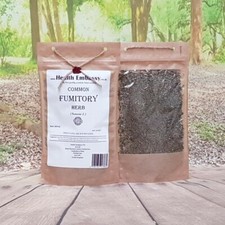
Fumitory (Fumaria officinalis) is a delicate wildflower with soft, fern-like leaves and small pink-purple blossoms that has been valued for centuries in both traditional herbalism and magical practice. Although often overlooked today, this humble plant has long held an important place in European folklore, pagan traditions, and witchcraft. Its name comes from the Latin fumus terrae, meaning “smoke of the earth,” because early people believed it seemed to rise from the ground like mist.
In pagan traditions, fumitory is closely associated with cleansing, renewal, and spiritual protection. Many practitioners believe the herb helps remove unwanted energy, making it useful before rituals, seasonal celebrations, or meditation. It is often included in purification incense, herbal bundles, or ritual baths to symbolically wash away negativity and prepare sacred space. Some modern pagans also use fumitory when honouring the changing seasons, particularly during spring, when themes of growth and fresh beginnings are celebrated.
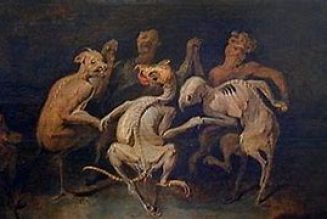
In witchcraft, fumitory has traditionally been regarded as a powerful herb for banishing harmful influences and breaking negative spells. It has been carried in small charm bags, burned as incense, or scattered around the home to create a protective barrier against ill fortune. Folk magic traditions also linked the plant with sharpening intuition and improving spiritual awareness, making it a favourite herb for divination, meditation, and spellwork involving clarity or truth.
Historically, fumitory was believed to drive away evil spirits and cleanse both people and places of unwanted influences. While these beliefs belong to folklore and spiritual tradition rather than scientific evidence, they continue to inspire many modern practitioners of paganism and contemporary witchcraft. Today, the herb is often combined with other protective plants such as rosemary, mugwort, or sage in ritual blends.
Beyond its magical reputation, fumitory has also been used in traditional herbal medicine for hundreds of years, particularly in Europe, where it was valued as a bitter herb that supported digestion and liver health. As with any medicinal herb, it should only be used with appropriate knowledge and care.
Whether appreciated for its graceful appearance, historical folklore, or symbolic role in spiritual practice, fumitory remains a fascinating herb that represents purification, protection, transformation, and the quiet strength found in nature.