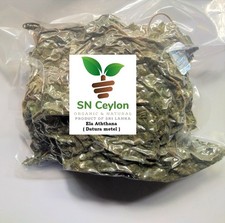
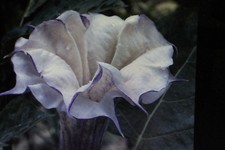
Devil’s Apple is one of the common names for Datura, a group of flowering plants belonging to the nightshade family. Recognizable by its large trumpet-shaped flowers and spiky seed pods, the plant has fascinated people for centuries because of its beauty, powerful effects, and dangerous reputation. Native to parts of the Americas but now found worldwide, Devil’s Apple often grows in disturbed soils, roadsides, and open fields.
Despite its attractive appearance, Devil’s Apple is highly poisonous. Every part of the plant contains toxic compounds called tropane alkaloids, including atropine, scopolamine, and hyoscyamine. These chemicals can cause hallucinations, confusion, rapid heartbeat, loss of memory, and, in severe cases, coma or death. Because the concentration of these toxins varies from plant to plant, consuming Devil’s Apple is extremely dangerous and should never be attempted.
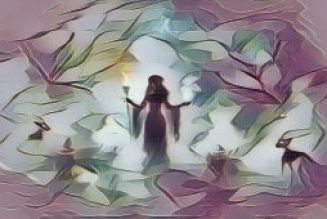
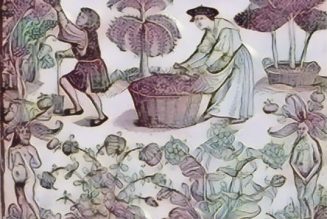
The plant has long been associated with folklore, pagan traditions, and witchcraft. In European folklore, Devil’s Apple was considered one of the classic “witches’ plants,” alongside belladonna, henbane, and mandrake. These plants were believed to possess magical properties and were linked to stories of flying ointments, spirit journeys, and communication with supernatural beings. While such tales are part of folklore, historians believe they were inspired by the plants’ real psychoactive effects.
In modern paganism and contemporary witchcraft, Devil’s Apple is generally viewed as a symbol rather than a practical magical ingredient. Many practitioners associate it with transformation, protection, shadow work, crossroads, and communication with the spirit world. Because of its extreme toxicity, most modern witches choose to work with the plant symbolically, using images, artwork, or carefully handled dried seed pods instead of ingesting or preparing it. Respect for its dangers is considered an important part of working with the plant.
Today, Devil’s Apple remains a plant of mystery, blending natural beauty with centuries of myth and legend. Its striking flowers and rich folklore continue to inspire artists, historians, herbal scholars, and practitioners of earth-based spiritual traditions. However, its toxic nature serves as a reminder that not all plants associated with magic are safe to handle or use, and Devil’s Apple is best admired with caution and respect.