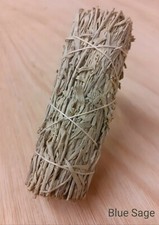
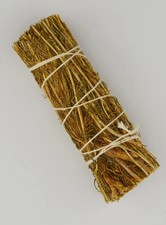
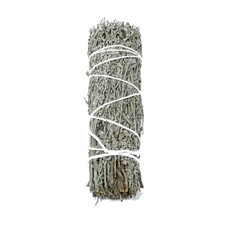
Desert Sage is a hardy, aromatic plant that grows naturally in dry regions of North America. Despite its common name, Desert Sage is not a true culinary sage (Salvia) but is usually a species of Artemisia, a genus closely related to mugwort and wormwood. It is recognised by its soft silvery-green leaves and its distinctive earthy fragrance, which has made it an important plant in both traditional Indigenous practices and modern spiritual traditions.
In paganism and witchcraft, Desert Sage is valued primarily for its cleansing and protective qualities. Many practitioners believe that its smoke helps clear away stagnant or unwanted energy from people, ritual tools, and sacred spaces. This practice is often referred to as smoke cleansing. While some people use the term “smudging,” it is important to recognise that smudging is a sacred ceremonial practice belonging to specific Indigenous cultures. Many modern pagans and witches choose to say “smoke cleansing” instead, out of respect for those traditions.
Desert Sage is associated with the element of Air because of its fragrant smoke, although some traditions also connect it to Earth due to its grounding nature. It is commonly burned before rituals, spellwork, meditation, or seasonal celebrations to create a calm, purified atmosphere. Some practitioners also place dried bundles of Desert Sage above doorways or near windows as protective charms, believing the plant helps prevent negative influences from entering the home.
The plant is also used in meditation and spiritual reflection. Its soothing aroma is thought to encourage mental clarity, emotional balance, and a stronger connection to nature and the spirit world. For this reason, Desert Sage is often included on altars, carried in charm bags, or blended with other magical herbs such as lavender, rosemary, or mugwort.
Although Desert Sage has become popular in modern spiritual communities, it should always be harvested responsibly and purchased from sustainable sources. Respecting both the natural environment and the cultural traditions connected to sacred plants helps ensure that their use remains thoughtful and ethical. Whether used for cleansing, protection, or quiet contemplation, Desert Sage continues to hold a respected place in contemporary pagan and witchcraft practices.