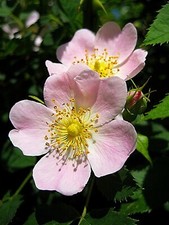
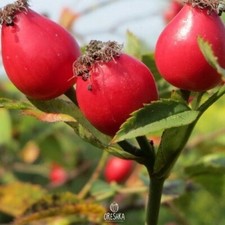
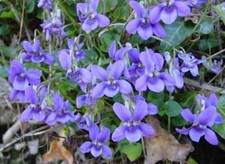
The Dog Rose (Rosa canina) is a hardy, climbing wild rose native to Europe, North Africa, and parts of Western Asia. Easily recognised by its pale pink or white five-petalled flowers and bright red rose hips, it has long been admired for both its beauty and usefulness. Blooming in late spring and early summer, the Dog Rose thrives in hedgerows, woodland edges, and open countryside, where it provides food and shelter for birds, insects, and other wildlife.
For centuries, the Dog Rose has also been valued in herbal medicine. Its vitamin C-rich rose hips have been used to make teas, syrups, jams, and remedies believed to support the immune system and ease colds and joint discomfort. The fragrant petals have also been used in perfumes, cosmetics, and soothing herbal preparations.
In pagan traditions, the Dog Rose is closely associated with love, beauty, protection, and the cycles of nature. Many ancient European cultures regarded wild roses as sacred plants that symbolised the balance between joy and sorrow, as their delicate blooms are protected by sharp thorns. The flower’s brief but beautiful flowering season also reminds pagans of the ever-changing Wheel of the Year and the importance of embracing life’s changing seasons.
In witchcraft and modern magical practice, the Dog Rose is often used in spells and rituals involving love, friendship, emotional healing, and spiritual protection. The petals may be added to charm bags, incense blends, ritual baths, or spell jars to attract kindness, peace, and harmonious relationships. Rose hips are sometimes carried as protective charms or used in seasonal rituals celebrating the harvest and the abundance of nature.
The thorny branches are also believed to ward off negative energy, making them useful in protective magic around the home or sacred space. Some practitioners weave the stems into protective wreaths or place sprigs near doors and windows to symbolically guard against harmful influences.
Today, the Dog Rose remains a treasured wild plant that beautifully combines practical uses with centuries of folklore and magical tradition. Whether appreciated for its ecological importance, herbal benefits, or spiritual symbolism, it continues to remind us of nature’s enduring power, resilience, and quiet beauty.