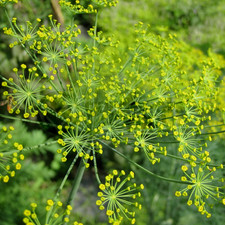
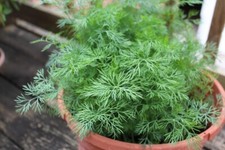
Dill (Anethum graveolens) is a fragrant annual herb known for its delicate feathery leaves, bright yellow flowers, and distinctive fresh, slightly sweet aroma. Native to the Mediterranean region and western Asia, it has been cultivated for thousands of years for both culinary and medicinal purposes. Rich in vitamins, antioxidants, and essential oils, dill has long been valued for aiding digestion, soothing stomach complaints, and promoting overall well-being.
Beyond its practical uses, dill has held a special place in pagan traditions and the practice of witchcraft. Throughout history, many cultures believed the herb possessed powerful magical properties, particularly those connected with protection, prosperity, and good fortune. Ancient Europeans often hung bundles of dill over doorways or placed them near windows to ward off negative energies, evil spirits, and malicious magic. It was thought that the herb created a protective barrier around the home and its inhabitants.
In many pagan traditions, dill is associated with the elements of Fire and Air, symbolising vitality, clarity, and spiritual awareness. It is frequently used in protective charms, sachets, and herbal amulets intended to guard against harm and encourage positive energy. Some practitioners scatter dill around their homes or gardens as part of cleansing rituals, believing it helps dispel unwanted influences and restore balance.
Dill has also been linked to love and prosperity magic. Folklore suggests that carrying a small sprig of dill or adding its seeds to charm bags can attract abundance, strengthen relationships, and encourage harmony within the household. During seasonal festivals, particularly harvest celebrations, dill may be included in offerings or ritual decorations as a symbol of gratitude for nature’s gifts and the hope of continued abundance.
Modern practitioners of paganism and witchcraft continue to value dill as a versatile magical herb. Whether incorporated into incense blends, spell jars, ritual baths, or protective wreaths, it serves as a reminder of the enduring connection between people and the natural world. While its magical properties are rooted in folklore and spiritual belief rather than scientific evidence, dill remains a cherished symbol of protection, good fortune, and the ancient wisdom of herbal traditions.