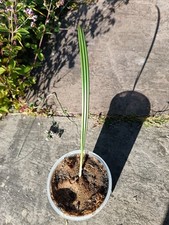
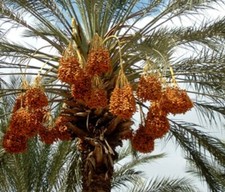
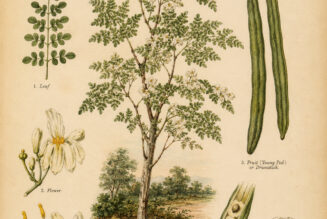
The Date Palm (Phoenix dactylifera) is one of the world’s oldest cultivated trees, prized for thousands of years for its sweet, nutritious fruit and its ability to thrive in harsh desert environments. Native to the Middle East and North Africa, the date palm can grow over 20 metres (65 feet) tall, with graceful feather-like fronds and clusters of amber to dark brown dates that ripen in warm climates. Every part of the tree has traditionally been useful, providing food, shade, fibre, timber, and building materials, making it a powerful symbol of survival and abundance.
Throughout history, the date palm has been associated with life, fertility, prosperity, and victory. Long before the spread of Christianity and Islam, many ancient pagan cultures revered the tree as a sacred gift from nature. In Mesopotamian, Egyptian, and Canaanite traditions, palm trees were linked to fertility goddesses and divine kingship. Their ability to flourish in dry, unforgiving landscapes made them symbols of resilience, renewal, and the triumph of life over hardship.
In modern paganism and witchcraft, the date palm retains much of this symbolic meaning. It is often used in spells and rituals focused on abundance, success, fertility, protection, and personal growth. The dates themselves may be placed on altars as offerings to deities or nature spirits, particularly during harvest celebrations, while the leaves can be woven into charms or decorative ritual items representing peace, victory, and spiritual awakening.
Magically, the date palm is associated with the element of Fire due to its connection with the sun and warm climates, although some traditions also recognise its life-giving relationship with water hidden beneath desert oases. Practitioners may burn dried palm leaves as incense or use them in purification rituals to clear away stagnant energy and encourage new beginnings.
Today, the date palm continues to represent endurance, generosity, and the rewards of patience. Whether appreciated for its historical importance, nourishing fruit, or magical symbolism, it remains a reminder that life can flourish even under the most challenging conditions, making it a respected and meaningful plant in both pagan traditions and contemporary witchcraft.