Dragon’s Blood is one of the most well-known and widely used magical substances in pagan and witchcraft traditions. Despite its dramatic name, Dragon’s Blood is not related to dragons. It is actually a deep red resin harvested from several species of trees found in regions such as Southeast Asia, Africa, and the Canary Islands. For centuries, this resin has been valued for its spiritual, medicinal, and ceremonial uses.
In pagan practices, Dragon’s Blood is often associated with strength, protection, power, and transformation. Its rich red color symbolizes life force, vitality, courage, and passion, making it a popular ingredient in rituals designed to increase personal energy or enhance magical workings. Many practitioners believe that Dragon’s Blood amplifies the power of other magical herbs and ingredients, making spells and rituals more effective.
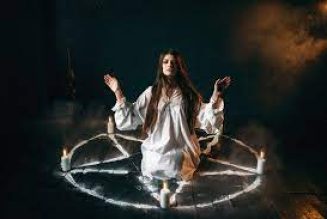
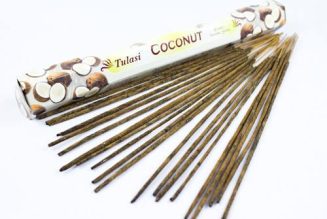
One of the most common uses of Dragon’s Blood is as incense. When burned, it produces a distinctive scent that many believe helps cleanse a space of negative energy and create a sacred atmosphere. It is frequently used before rituals, meditation sessions, or spell work to prepare the environment and strengthen spiritual focus.
In witchcraft, Dragon’s Blood is often incorporated into protection spells. It may be added to sachets, spell jars, candles, or ritual oils intended to ward off harmful influences and promote safety. Some practitioners also use it in love spells, prosperity rituals, and workings related to personal empowerment. Because of its reputation for increasing magical potency, it is commonly blended with other herbs and resins to support a wide range of intentions.
Dragon’s Blood also has historical significance in various cultures, where it was used as a dye, medicine, varnish, and incense. These diverse applications contributed to its mystical reputation and eventual adoption into modern magical traditions.
Today, Dragon’s Blood remains a respected and versatile tool in paganism and witchcraft. Whether burned as incense, added to spells, or used in ritual practice, it continues to symbolize power, protection, and spiritual transformation for practitioners around the world.