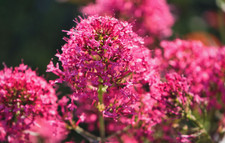
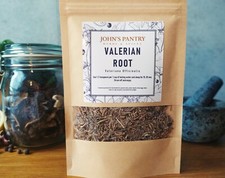
Valerian (Valeriana officinalis) is a flowering perennial plant known for its sweet-scented blossoms and strong-smelling roots. Native to Europe and parts of Asia, it has been used for centuries as both a medicinal herb and a spiritual tool. While many people recognize valerian for its calming properties and use as a natural sleep aid, it also holds an important place in pagan traditions and the practice of witchcraft.
In ancient pagan cultures, plants were often believed to possess spiritual energies and magical qualities. Valerian was valued for its ability to promote peace, relaxation, and emotional balance. Because of these associations, it became linked to protection, purification, and healing. Some pagan practitioners carried valerian roots as protective charms, believing the herb could ward off negative influences and unwanted energies.
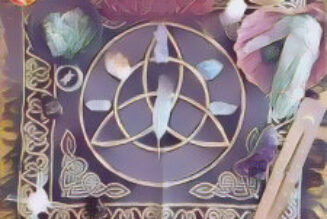
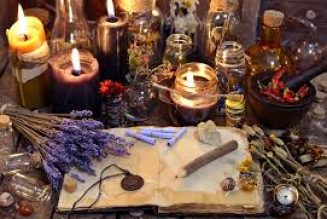
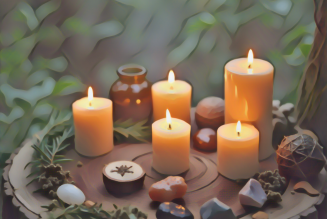
Within modern witchcraft traditions, valerian is frequently used in spells and rituals related to harmony, love, and tranquility. The root is often included in sachets, charm bags, and incense blends designed to encourage restful sleep or create a peaceful atmosphere. Some witches place valerian near their beds to promote vivid dreams and strengthen their connection to the spiritual world during sleep.
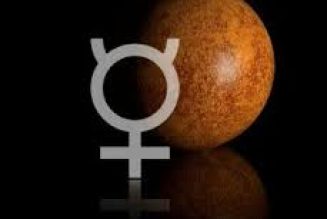
Valerian is also associated with the element of water due to its calming and soothing nature. In magical correspondences, it is sometimes linked to the planet Venus, which governs love, beauty, and emotional well-being. Because of these connections, valerian may be used in rituals intended to heal relationships, ease emotional stress, or attract loving energy.
Despite its mystical reputation, valerian’s use in paganism and witchcraft is often balanced with practical knowledge of its herbal properties. Many practitioners appreciate the plant for both its physical benefits and its symbolic meanings. This blend of herbal wisdom and spiritual significance reflects a common theme in pagan traditions, where the natural world is viewed as a source of both healing and sacred power.
Today, valerian remains a respected herb among many pagans and witches, valued for its calming influence, protective qualities, and enduring connection to nature-based spirituality.