The mandrake plant (Mandragora officinarum) is one of the most famous magical plants in history. Native to parts of the Mediterranean and the Middle East, it has long been surrounded by myths, legends, and supernatural beliefs. With its thick, forked root often resembling the shape of a human body, the mandrake has captured the imagination of people for thousands of years.
In ancient times, the mandrake was valued for its medicinal properties. The plant contains powerful compounds that can cause drowsiness, hallucinations, and pain relief when used carefully. Because of these effects, many cultures believed the plant possessed magical powers. Over time, stories developed claiming that mandrakes could scream when pulled from the ground, and that hearing the scream could bring madness or even death.
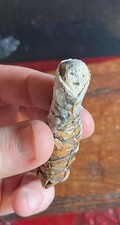
In pagan traditions, the mandrake was often associated with fertility, protection, and spiritual power. Its human-like root led many people to believe it contained a living spirit or magical essence. Some pagans carried carved mandrake roots as talismans to attract good fortune, increase prosperity, or strengthen magical workings. The plant was also linked to love magic and was sometimes used in rituals intended to encourage romance or fertility.
Within the history of witchcraft, the mandrake became one of the most respected magical herbs. Folklore describes witches using mandrake roots in charms, potions, and protective spells. It was believed to enhance psychic abilities, aid communication with spirits, and strengthen magical intent. In some traditions, a mandrake root was treated almost like a magical companion and was carefully cared for to maintain its power.
Today, modern practitioners of paganism and witchcraft continue to view the mandrake as a symbol of mystery, transformation, and ancient wisdom. While the real plant is toxic and should be handled with caution, its legendary status remains strong. The mandrake stands as a fascinating example of how nature, folklore, and spirituality have become intertwined throughout human history, earning it a lasting place in magical traditions around the world.