For the ancient Celts, the summer solstice, often known as Midsummer, marked one of the most important moments of the year. Celebrated when the sun reached its highest point in the sky, it symbolised abundance, fertility, vitality, and the height of nature’s power. The occasion was observed through a variety of sacred customs designed to honour the sun, ensure prosperity, and protect communities from harmful influences.
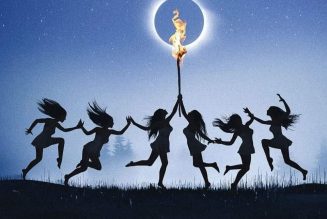
At the heart of these celebrations were great bonfires lit on hilltops and open landscapes. These fires were believed to strengthen the sun’s energy and encourage successful harvests. The flames were also considered cleansing and protective. Couples would leap over the fires to attract fertility, happiness, and good fortune, while farmers guided their livestock between the flames to safeguard them from illness and misfortune.
The solstice was closely associated with powerful Celtic deities. In Ireland, the goddess Áine, linked to the sun, fertility, and prosperity, was particularly revered. Other regions honoured Belenus, a god of light and healing, whose influence was connected with health and sacred springs.
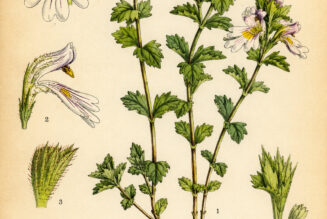
Midsummer was also regarded as the most potent time for gathering medicinal plants. Herbs such as St. John’s Wort and Vervain were carefully collected, as it was believed that the sun’s peak energy enhanced their healing and protective qualities. Water held similar significance. Sacred wells were visited for their restorative powers, and many people washed in the morning dew, believing it would bring health, beauty, and good luck throughout the year.
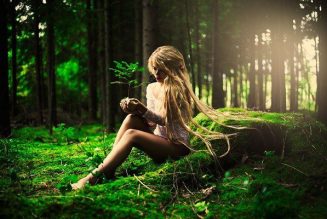
Celtic folklore taught that the summer solstice was a liminal period when the boundary between the human world and the realm of spirits became thinner. Fairies and other nature beings were thought to be especially active, filling forests and sacred places with enchantment.
Many of these traditions have survived into modern times, often blending with Saint John’s Day celebrations. Today, people continue to gather at ancient stone circles and sacred sites, such as the Lough Gur Stone Circle in County Limerick, to welcome the sunrise, share stories, celebrate nature, and reconnect with the enduring spiritual heritage of the Celtic world.