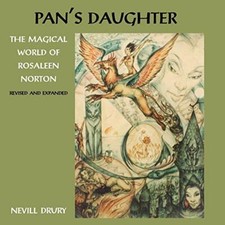
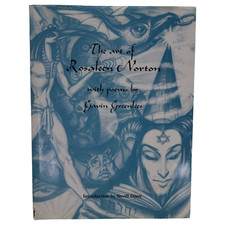
Rosaleen Norton (1917–1979), often referred to as the “Witch of Kings Cross,” remains one of the most influential and controversial figures in the history of Australian paganism and modern witchcraft. An artist, occultist, and mystic, Norton challenged the conservative social values of mid-twentieth-century Australia through her spiritual beliefs, magical practices, and provocative artwork. Although she never founded a formal religious movement, her legacy continues to inspire contemporary pagans, witches, and practitioners of alternative spirituality.
Norton’s spiritual worldview was rooted in a deep reverence for nature and the ancient pagan gods. She rejected conventional Christianity, believing instead in a universe filled with divine forces expressed through nature, mythology, and human creativity. Central to her beliefs was the horned god Pan, whom she regarded as a symbol of vitality, freedom, and the untamed energies of the natural world. Her devotion to Pan reflected themes that would later become prominent in modern Pagan and Wiccan traditions.
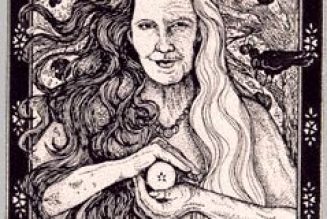
Through her art, Norton explored mystical experiences, magical symbolism, and encounters with spiritual beings. Her illustrations frequently depicted pagan deities, elemental spirits, and ritual scenes, presenting a vision of the sacred that differed dramatically from mainstream religious imagery. In doing so, she helped introduce occult and pagan themes to a wider public audience.
Norton’s practices drew upon ceremonial magic, Western esotericism, and personal visionary experiences rather than any single established witchcraft tradition. Nevertheless, many modern witches regard her as an important precursor to the revival of pagan spirituality in Australia. She demonstrated that witchcraft could be understood as a spiritual path centred on personal experience, nature, and the pursuit of hidden knowledge.
Today, Rosaleen Norton is remembered as a pioneering figure who helped challenge religious conformity and expand public awareness of alternative spiritual traditions. Her courage in openly embracing pagan beliefs during a period of widespread hostility earned her a lasting place in the history of witchcraft. As a result, she remains an enduring symbol of spiritual independence, artistic expression, and the revival of pagan thought in the modern world.