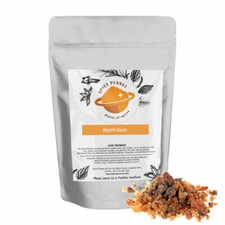
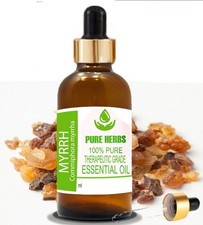
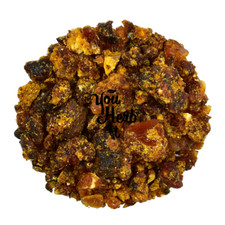
Myrrh is a fragrant resin obtained from trees of the Commiphora genus, native to parts of northeastern Africa and the Arabian Peninsula. For thousands of years, it has been valued for its aromatic, medicinal, and spiritual properties. Within various forms of paganism and modern witchcraft, myrrh is commonly used as an incense, ritual offering, cleansing agent, and tool for spiritual work.
In many pagan traditions, myrrh is associated with purification and sacred space. When burned as incense, its rich, earthy aroma is believed to help cleanse an area of unwanted energies and create an atmosphere conducive to ritual, meditation, and communication with spiritual beings. It is often combined with other resins such as frankincense, a pairing that has been used in religious and ceremonial settings for centuries.
In witchcraft, myrrh is frequently linked to protection, healing, and spiritual awareness. Practitioners may burn it during spells or rituals intended to strengthen psychic abilities, enhance meditation, or deepen connections with ancestors and deities. Its grounding qualities are thought to help maintain focus during magical work while also providing a sense of spiritual protection.
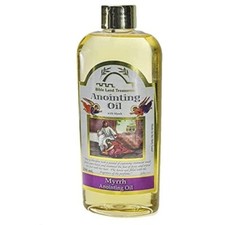
Myrrh is also used in magical oils, sachets, incense blends, and altar offerings. Some witches include it in rituals connected to the cycles of life, death, and rebirth because of its historical association with funerary practices in ancient cultures. This symbolism makes it particularly relevant in ancestor veneration, spirit work, and rites honoring the dead.
Different pagan paths may assign varying correspondences to myrrh. It is sometimes associated with the elements of Earth or Water, the Moon, or certain deities connected with wisdom, healing, or the underworld. These associations depend on the specific tradition and practitioner.
It is important to note that beliefs about myrrh’s spiritual and magical properties are matters of religious, cultural, and personal tradition rather than scientifically verified effects. Its significance in paganism and witchcraft comes primarily from symbolic meanings, historical use, and the experiences of practitioners. Today, myrrh remains a respected ritual ingredient, valued for both its distinctive fragrance and its enduring role in spiritual and magical practices.
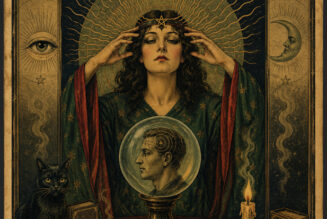
act of diviantion