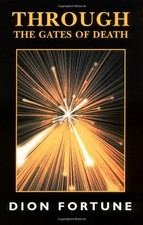
Dion Fortune (1890–1946) was one of the most influential figures in the development of modern Western esotericism, and her ideas have had a lasting impact on contemporary paganism and witchcraft. Born Violet Mary Firth in Wales, she became an author, occultist, and ceremonial magician whose writings helped shape the spiritual landscape from which modern Pagan and Wiccan traditions emerged.
Fortune was a member of several occult organisations, including the Hermetic Order of the Golden Dawn tradition and later the Alpha et Omega. She eventually founded her own organisation, the Society of the Inner Light, which focused on mystical training, ceremonial magic, and spiritual development. Through her teachings, she sought to make esoteric knowledge more accessible to a wider audience.
Although Dion Fortune was not a witch in the modern Wiccan sense, her work greatly influenced the founders of contemporary witchcraft movements. Her books, particularly The Mystical Qabalah, Psychic Self-Defence, and The Sea Priestess, explored themes of magical practice, spiritual symbolism, and the divine feminine. These ideas resonated strongly with later Pagan traditions, especially those that emphasised goddess worship and personal spiritual experience.
One of Fortune’s most significant contributions was her emphasis on the balance between masculine and feminine spiritual forces. She viewed both aspects as essential to magical work and spiritual growth. This concept became a cornerstone of many modern Pagan and Wiccan belief systems. Her fictional works also introduced readers to ritual practices and mystical concepts, inspiring many to explore occult and Pagan paths.
Fortune’s influence extends beyond specific traditions. She helped bridge the gap between nineteenth-century ceremonial magic and the emerging Pagan revival of the twentieth century. Her writings encouraged the exploration of mythology, symbolism, and nature-centred spirituality, all of which became important elements of modern witchcraft.
Today, Dion Fortune is remembered as a pioneering occult thinker whose teachings continue to inspire practitioners of magic, Paganism, and witchcraft. While she did not identify as a Pagan herself, her ideas contributed significantly to the foundations upon which many contemporary Pagan and magical traditions were built.