Many spiritual and metaphysical traditions describe reality as a form of energy. In this view, people, objects, ideas, and situations are not fixed states, but patterns of energy that can shift and change. What is experienced as “reality” is simply the current form that energy appears to take. Practices often described as magic are based on the belief that these patterns can be influenced and reconfigured through intention, focus, and imagination.
One approach to this process involves mentally viewing a situation as flexible energy rather than as something permanent or immovable. By imagining that energy changing shape, moving, or transforming, the mind begins to explore new possibilities. A difficult circumstance can be visualised differently, allowing attention to shift from limitation toward desired outcomes.
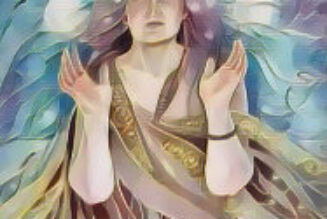
The use of the hands is considered especially powerful in this kind of practice. Human beings naturally associate their hands with action and change. Hands are used to build, shape, move, create, and interact with the world every day. Because of this deep connection, the mind often responds strongly when hand movements are paired with focused intention.
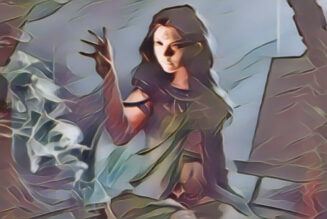
Simple gestures can therefore become symbolic acts of transformation. Some people imagine energy flowing between their hands, moving outward from the body, or reshaping a situation in front of them. Even small or subtle movements may strengthen concentration and create a stronger sense that change is taking place.
Popular culture reinforces this association. In films, stories, and myths, magical actions are almost always performed through gestures, movements, or tools held in the hands. Over time, this creates a strong psychological link between the hands and the idea of influence or transformation.
From a psychological perspective, using the hands can help the conscious and subconscious mind work together. When physical gestures accompany focused thought, the brain is more likely to interpret the action as meaningful and effective. This can increase confidence, concentration, and emotional investment in the desired outcome.
Some practices apply this idea to healing. A person may place their hands on different parts of the body and imagine energy moving between those points. Whether or not physical sensations are felt, the act encourages focus, calmness, and the belief that positive change is occurring. Others use visualised hand movements more playfully, imagining gentle energetic influences affecting people or situations around them.
These practices are generally intended to encourage awareness, intention, and positive change rather than control over others. The central idea is that focused imagination, combined with meaningful physical action, can influence the way experiences are perceived and responded to.