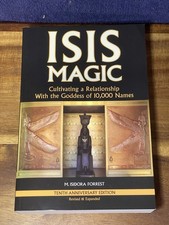
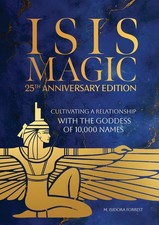
M. Isidora Forrest’s Isis Magic: Cultivating a Relationship with the Goddess of 10,000 Names is a comprehensive and deeply devotional guide for anyone seeking a meaningful spiritual connection with the ancient Egyptian goddess Isis. First published in 2001 and later expanded in anniversary editions, the book has earned a respected place among modern Pagan, Kemetic, and Goddess-centered spiritual literature because of its blend of scholarship, ritual practice, and personal transformation.
One of the book’s greatest strengths is its balance between historical research and practical spirituality. Forrest begins by exploring the rich history and evolution of Isis, tracing her development from an Egyptian goddess to a universal symbol of divine wisdom, healing, and magic. Rather than presenting mythology as distant history, the author demonstrates how Isis can be experienced as a living spiritual presence in contemporary practice.
The heart of the book is its structured initiatory path through the “House of Isis.” Readers progress through stages of devotion, learning rituals, meditations, prayers, invocations, and magical exercises designed to deepen their relationship with the goddess. This experiential approach sets the book apart from many academic studies of Egyptian religion. The rituals are detailed and accessible, making the text valuable both for beginners and for experienced practitioners seeking a more formal devotional framework.
Forrest’s writing is warm, encouraging, and reverent. She presents Isis not merely as a deity of ancient times but as a compassionate guide capable of inspiring personal growth, healing, and spiritual empowerment. The author’s passion for her subject is evident throughout the work, and her inclusive tone welcomes readers from diverse spiritual backgrounds. At times, however, the book’s devotional perspective may feel less appealing to readers seeking a strictly historical or academic treatment of Egyptian religion.
Despite its considerable length, Isis Magic remains engaging because of its practical focus and wealth of resources. The combination of historical context, guided rituals, and spiritual instruction creates a complete handbook for modern Isiac practice. Overall, it is an insightful and inspiring work that successfully bridges ancient tradition and contemporary spirituality. For those interested in goddess worship, Egyptian mysticism, or transformative magical practice, this book is an invaluable and rewarding resource.