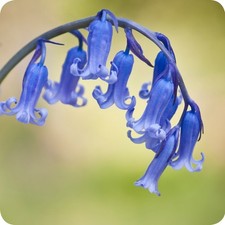
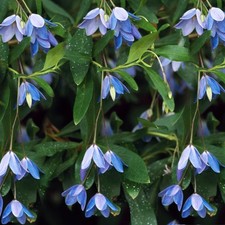
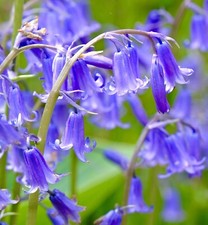
The bluebell is one of the most enchanting wildflowers found in the woodlands of Europe, especially in Britain. Known for its delicate bell-shaped blossoms and sweet fragrance, the bluebell has long been admired not only for its beauty but also for its mystical associations. In folklore and witchcraft, this small flower carries deep symbolic meaning connected to magic, protection, and the spirit world.
Bluebells typically bloom during spring, carpeting forests in shades of violet-blue that create an almost magical atmosphere. Because they appear in hidden woodland spaces, many ancient cultures believed bluebells were linked to fairies and supernatural beings. Folklore warned that anyone who disturbed a patch of bluebells might anger the fairies and invite misfortune. In some traditions, it was said that ringing a bluebell would summon spirits or lead travelers deeper into enchanted woods.
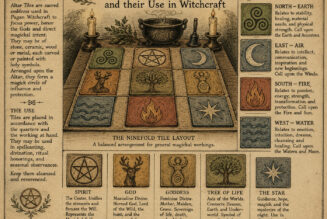
Within witchcraft, bluebells are associated with protection, truth, humility, and everlasting love. Witches and herbal practitioners sometimes use bluebell energy in spells involving honesty, emotional healing, and attracting loyal relationships. The flower is also believed to strengthen intuition and enhance connection with nature spirits. Bluebells may be placed on altars during spring rituals to celebrate renewal, fertility, and the awakening of the earth after winter.
Historically, the sap of the bluebell plant was even used in practical ways, such as binding books and attaching feathers to arrows. However, despite these uses, the plant is considered poisonous if eaten, reminding practitioners to respect nature’s balance between beauty and danger.
Today, bluebells remain an important symbol in modern pagan traditions and nature-based spirituality. Many people see them as sacred flowers that encourage peace, wonder, and spiritual awareness. Their brief blooming season also represents the fleeting nature of life and the importance of appreciating moments of beauty while they last.
The bluebell’s place in witchcraft continues to thrive through folklore, ritual, and reverence for the natural world, making it one of the most magical flowers of European tradition.