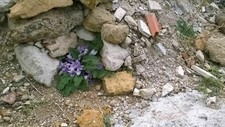
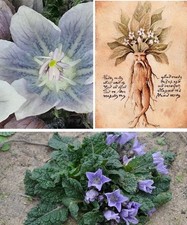
The mandrake is one of the most mysterious and legendary plants in the history of folklore and witchcraft. Known scientifically as Mandragora officinarum, the plant grows in the Mediterranean region and is famous for its thick, forked root that often resembles the shape of a human body. Because of this unusual appearance, ancient people believed the mandrake possessed magical powers and a living spirit.
Mandrake has been associated with magic and superstition for thousands of years. In ancient Greece and Rome, it was used as a medicinal herb because it contains alkaloids that can cause sleep, hallucinations, and numbness. However, these same effects also made people fear the plant. During the Middle Ages, mandrake became closely linked with witchcraft, alchemy, and the occult.
One of the most famous legends about the mandrake is the belief that it screamed when pulled from the ground. According to folklore, anyone who heard the scream would die or go insane. To avoid this danger, people supposedly tied the plant to a dog, which would pull it from the earth while the owner stood at a safe distance. Although this story is fictional, it helped strengthen the mandrake’s reputation as a supernatural plant.
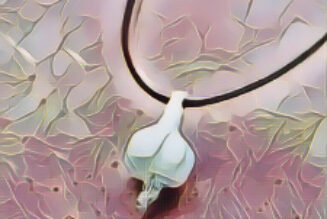
In witchcraft traditions, mandrake was believed to bring protection, fertility, love, and wealth. Witches and folk healers sometimes carried dried mandrake roots as charms or used them in rituals and potions. Because the root resembled a small human figure, it was also used in sympathetic magic, where an object symbolically represents a person. Some practitioners believed the plant could enhance psychic abilities or help communicate with spirits.
Mandrake continues to appear in literature, mythology, and modern popular culture. It is featured in medieval grimoires, Renaissance magic, and even fantasy stories today. Though many myths surrounding the plant are exaggerated, the mandrake remains a powerful symbol of mystery, magic, and humanity’s fascination with the natural world and the supernatural.