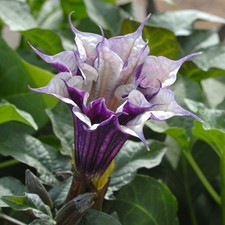
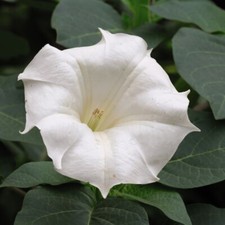
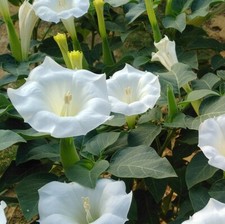
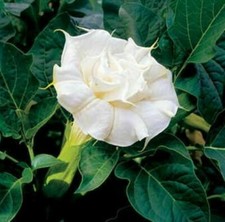
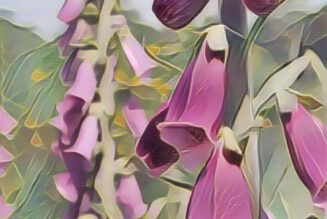
The plant known as Datura has long held a mysterious and feared reputation in folklore, magic, and witchcraft traditions around the world. Belonging to the nightshade family, Datura is recognized by its trumpet-shaped flowers, spiny seed pods, and intoxicating scent that blooms mainly at night. Species such as Datura stramonium, commonly called Jimsonweed or Thorn Apple, have been associated with visions, spirits, and magical rites for centuries.
In many ancient cultures, Datura was considered a sacred yet dangerous plant because of its powerful psychoactive properties. The plant contains toxic alkaloids such as atropine and scopolamine, which can produce hallucinations, delirium, and altered states of consciousness. Shamans and spiritual practitioners in parts of India, the Americas, and Europe sometimes used Datura in religious ceremonies or divination rituals. However, the line between spiritual experience and deadly poisoning was always thin, making the plant both revered and feared.
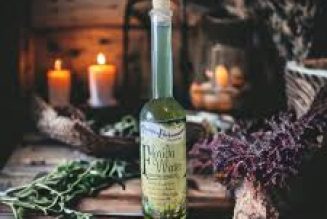
Within European witchcraft lore, Datura became linked to the idea of the “witch’s garden.” Medieval stories claimed witches used plants from the nightshade family, including Datura, belladonna, and henbane, to create flying ointments and potions. These mixtures were believed to induce trance-like experiences that inspired tales of night flights, spirit journeys, and meetings with supernatural beings. Because Datura blooms under moonlight and possesses a ghostly appearance, it naturally became associated with mystery, the occult, and nocturnal magic.
Modern practitioners of paganism and contemporary witchcraft often view Datura symbolically rather than physically. Due to its extreme toxicity, many avoid handling or ingesting the plant altogether. Instead, it represents themes of transformation, shadow work, dreams, and the boundary between reality and illusion. Some witches grow Datura in moon gardens or use its imagery in rituals focused on protection, spirit communication, or personal transformation.
Despite its mystical associations, Datura remains highly poisonous and dangerous. Historians and herbalists strongly warn against recreational or ritual use of the plant. Today, its greatest power may lie not in consumption, but in the legends, symbolism, and cautionary tales that continue to surround it in magical traditions.