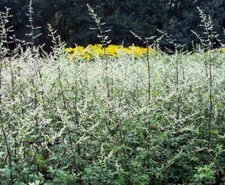
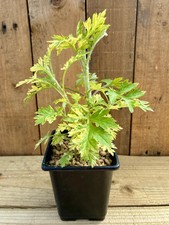
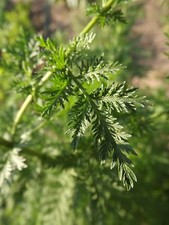
Mugwort (Artemisia vulgaris) is a hardy perennial plant that has long held a mysterious and magical reputation in folklore, herbalism, and witchcraft traditions around the world. Recognized by its silvery-green leaves and strong herbal scent, mugwort grows abundantly across Europe, Asia, and North America. For centuries, it has been valued not only for medicinal purposes but also for its spiritual and mystical associations.
In witchcraft, mugwort is often considered a powerful protective and psychic herb. Many practitioners believe it enhances intuition, strengthens dreams, and opens the mind to spiritual insight. Because of these qualities, mugwort is commonly associated with moon magic, divination, and astral work. Ancient cultures believed the plant could ward off evil spirits, negative energy, and harmful influences. Travelers once carried mugwort in their shoes or pockets for protection during long journeys.
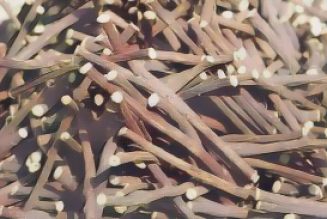
One of mugwort’s most famous magical uses is in dream work. Dried mugwort is frequently placed beneath pillows or brewed into teas before sleep to encourage vivid dreams and prophetic visions. Some witches use mugwort incense during meditation or ritual practices to deepen spiritual awareness and aid communication with the unseen world. In many traditions, it is burned as part of cleansing rituals similar to sage smudging.
Mugwort also carries strong feminine and lunar symbolism. The plant is connected to the moon, intuition, and goddess energy, especially in pagan and Wiccan traditions. Its botanical name, Artemisia, is linked to Artemis, the Greek goddess of the hunt, wilderness, and the moon. Because of this connection, mugwort is often used in rituals focused on feminine empowerment, transformation, and inner wisdom.
Despite its mystical reputation, mugwort should be used carefully. Some people may experience allergic reactions, and excessive consumption can be harmful. Modern practitioners typically use it in small amounts for incense, charm bags, or ritual teas.
Today, mugwort remains one of the most respected magical herbs in contemporary witchcraft. Its rich history, spiritual symbolism, and connection to dreams and protection continue to make it a treasured plant among witches and herbal practitioners alike.