We would like to disclose that this website may contain affiliate links. This means that if you click on a product link and make a purchase, we may earn a commission. As an Amazon & eBay Partner Network Associate, we earn from qualifying purchases.
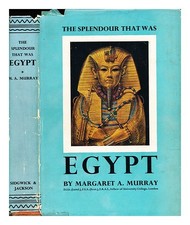
Margaret Murray was a British Egyptologist, anthropologist, and folklorist whose theories on witchcraft and religion had a lasting influence on both academic studies and popular culture. Born in 1863 in Calcutta, she later moved to London, where she studied under the famous archaeologist Flinders Petrie at University College London. Murray became one of the first female Egyptologists in Britain and gained respect for her archaeological work in Egypt and Malta.
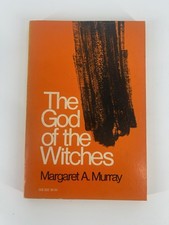
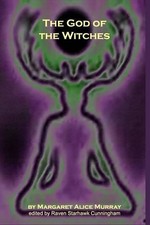
However, Margaret Murray is best remembered for her controversial ideas about witchcraft. In books such as The Witch-Cult in Western Europe and The God of the Witches, she argued that the witches persecuted during the European witch trials were not followers of evil practices, but members of an ancient pagan religion that had survived secretly for centuries. According to Murray, this hidden religion worshipped a horned god connected to nature, fertility, and seasonal rituals.
Her theories attracted widespread public attention because they challenged traditional views of witchcraft as devil worship. Murray believed that many confessions from accused witches reflected genuine religious ceremonies rather than fantasies created under torture. Although her work was once influential, most modern historians reject her conclusions, arguing that she relied on selective evidence and ignored the political and social context of the witch trials.
Despite criticism from scholars, Murray’s ideas had a powerful impact on modern occult movements. Her vision of an ancient pagan witch religion strongly influenced the development of contemporary pagan traditions such as Wicca, especially through figures like Gerald Gardner. Many modern witches still regard her writings as inspirational, even if they are no longer accepted as accurate history.
Margaret Murray died in 1963 at the age of one hundred, leaving behind a legacy that remains both controversial and influential in the study of folklore, religion, and the occult.


![My First Hundred Years [First Edition] Margaret Murray-1963](https://i.ebayimg.com/images/g/67oAAeSwVbhqq-2w/s-l225.jpg)