Aromatherapy witchcraft is the blending of magical intention with the healing power of scent. For centuries, people across many cultures have used herbs, flowers, resins, and essential oils in rituals, healing ceremonies, meditation, and spiritual practices. Aromatherapy itself focuses on the therapeutic use of natural plant extracts, while witchcraft incorporates symbolism, energy work, and intention-setting. Together, they create a practice that nurtures both the body and the spirit.
The roots of aromatherapy witchcraft stretch back thousands of years. Ancient Egyptians burned fragrant resins such as frankincense and myrrh during religious ceremonies and used scented oils for healing and preservation. In ancient Greece and Rome, herbs and aromatic oils were believed to cleanse the mind and protect against illness. Celtic and pagan traditions also relied heavily on sacred plants for seasonal rituals, divination, and protection magic. Many modern witches draw inspiration from these ancient customs, combining them with contemporary knowledge of essential oils and herbal healing.
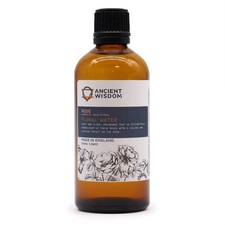
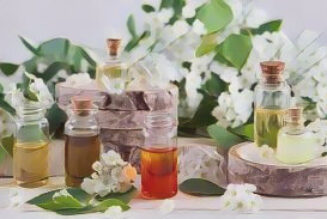
At the heart of aromatherapy witchcraft are essential oils. These oils are highly concentrated extracts taken from plants, flowers, bark, seeds, and roots. Each oil is believed to carry specific energetic and emotional properties. Lavender, for example, is associated with calmness, peace, and sleep. Rosemary is linked to mental clarity and memory, while peppermint is used for energy and focus. Rose is often connected to love, self-care, and emotional healing. By using these scents intentionally, practitioners believe they can influence mood, energy, and spiritual awareness.
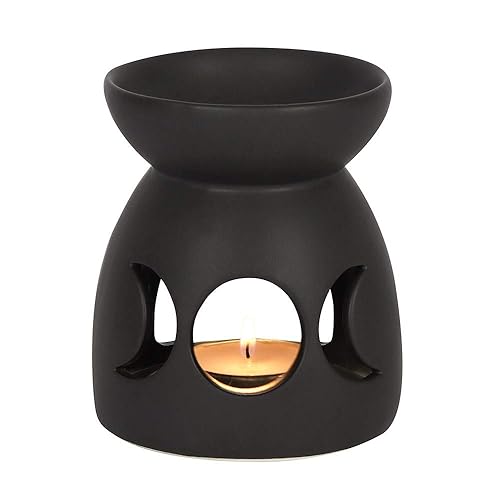
One of the most common ways aromatherapy witchcraft is practiced is through ritual work. A person may light candles, burn incense, or diffuse essential oils while focusing on a goal or intention. For example, someone seeking confidence before an important meeting might diffuse orange or bergamot oil to encourage positivity and courage. During meditation, sandalwood or frankincense may be used to deepen concentration and spiritual connection. In many traditions, scent acts as a bridge between the physical and spiritual worlds, helping the mind enter a more focused and receptive state.
Another important aspect is the use of oils in self-care rituals. Witchcraft often emphasizes living in harmony with oneself and nature, and aromatherapy supports this through daily routines. A relaxing bath with lavender and chamomile oils can help relieve stress after a long day. A homemade herbal spray with rosemary and lemon may be used to refresh a workspace and increase productivity. Some people anoint candles, crystals, or even themselves with oils before setting intentions or practicing affirmations.
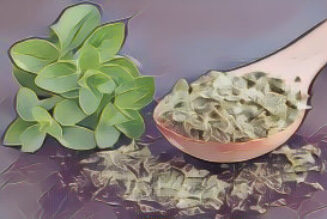
Protection rituals are also common in aromatherapy witchcraft. Throughout history, certain herbs and scents were believed to ward off negative energy or harmful spirits. Sage, cedar, rosemary, and clove are often used for cleansing and protection. Many people burn dried herbs or use essential oil sprays around their homes to create a peaceful environment. While these practices are spiritual in nature, they can also provide psychological comfort and create a sense of calm and safety.
Aromatherapy witchcraft can also support emotional well-being in everyday life. Modern life often brings stress, anxiety, and emotional exhaustion, and scent has a powerful effect on the brain and emotions. Essential oils stimulate the limbic system, the area of the brain linked to memory and feelings. This is why certain scents can instantly create comfort or relaxation. Incorporating magical intention into these practices encourages mindfulness and self-awareness. Instead of rushing through the day, practitioners take time to pause, breathe, and reconnect with themselves.
In addition to emotional support, many people use aromatherapy witchcraft to strengthen routines and personal goals. Morning rituals with uplifting citrus oils can create motivation for the day ahead. Evening rituals using calming scents can signal the body to rest and unwind. Even simple acts such as carrying a scented charm bag or applying an oil blend before work can become meaningful reminders of confidence, protection, or inner strength.
Although aromatherapy witchcraft is spiritual, it does not require belief in supernatural powers to be beneficial. Many of its practices overlap with wellness techniques such as meditation, mindfulness, herbalism, and relaxation therapy. The combination of pleasant scents, focused intention, and calming rituals can improve emotional balance and encourage healthy habits.
Today, aromatherapy witchcraft continues to grow in popularity as people search for natural and holistic ways to care for themselves. It offers a personal path toward relaxation, empowerment, and connection with nature. Whether someone uses lavender oil for sleep, rosemary for focus, or incense for meditation, the practice reminds us that small rituals can bring comfort and meaning into daily life.