The witch’s knot is one of the most recognizable symbols in modern witchcraft and folk magic. Known for its interwoven loops and endless design, the symbol is associated with protection, spiritual connection, and the binding of magical energy. Although it is strongly linked with contemporary pagan practices such as Wicca, the witch’s knot also reflects much older traditions of knot magic and sacred symbolism found throughout European folklore.
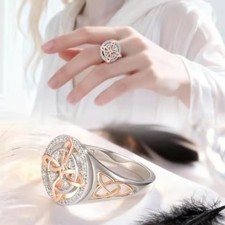
The design of the witch’s knot usually features four interconnected loops woven into a continuous pattern, often enclosed within a circle. Because the lines have no clear beginning or end, the symbol is commonly interpreted as representing eternity, cycles of life, and the endless flow of energy. In magical traditions, knots have long been believed to hold power because they physically represent the act of tying intention into place. To create a knot is to bind energy, while untying it can symbolically release that energy back into the world.
Knot symbolism has ancient roots. Celtic cultures used elaborate knotwork in art and spiritual decoration, associating it with eternity and the interconnectedness of life. Norse traditions also incorporated knotted patterns into carvings and ritual objects linked to fate and protection. While the exact modern symbol known as the witch’s knot may not appear in ancient records under that name, it clearly draws inspiration from these historical traditions.
In European folk magic, knots were commonly used in spells, charms, and protective rituals. Sailors carried knotted ropes believed to contain the power of the wind. Healers tied knots while reciting prayers to bind illness or ward off harmful spirits. Lovers exchanged knotted ribbons as symbols of loyalty and connection. These practices blurred the line between everyday life and magical belief, making knot magic an important part of folk culture.
Today, the witch’s knot is most often used as a symbol of protection. Many witches place it near doors and windows, carve it onto candles, or wear it as jewelry to guard against negativity and harmful influences. The interwoven design is thought to trap or deflect unwanted energy before it can affect a person or sacred space. Some practitioners describe the knot as a spiritual barrier that catches curses, ill will, or emotional negativity.
The symbol is also connected with binding magic. Binding spells are intended to restrict harmful actions or contain destructive energies. Contrary to sensationalized depictions of witchcraft, binding magic is usually viewed by practitioners as defensive rather than malicious. A witch may perform a binding ritual to stop conflict, discourage gossip, or prevent someone from causing harm.
During these rituals, the witch’s knot acts as a visual and symbolic focus for intention. Some witches draw the knot while concentrating on their goal, while others tie physical knots in cords or ribbons as part of the spell. Different colors may be chosen for specific meanings. Black often represents protection, white symbolizes purification, and red is linked to strength or determination.
Beyond protection and binding, the witch’s knot also represents interconnectedness. Many modern pagan traditions teach that all living things are spiritually linked. The endless loops of the knot reflect this idea by symbolizing the unseen web connecting people, nature, and spiritual forces. In this sense, the symbol serves not only as magical protection but also as a reminder of balance and unity within the universe.
Some practitioners use the witch’s knot during meditation or ritual work. Focusing on the repeating pattern can encourage reflection on cycles, transformation, and spiritual growth. The knot is often placed on altars, ritual tools, or sacred objects to strengthen magical intention and create a sense of continuity within ritual practice.
The symbol is sometimes associated with the four classical elements: earth, air, fire, and water. In versions featuring four distinct corners or loops, each section may represent one element working together in harmony. When the knot is enclosed within a circle, the circle can symbolize spirit or divine unity surrounding the physical world. This layered symbolism makes the witch’s knot adaptable to many forms of modern witchcraft.
In contemporary pagan communities, the witch’s knot has become both a spiritual emblem and a cultural symbol. It appears frequently in books on witchcraft, altar decorations, tattoos, and jewelry. Many practitioners wear it as an expression of identity or connection to the wider witchcraft community. Others are drawn to the symbol simply because of its beauty and deep symbolic meaning.
Despite misconceptions about witchcraft in popular culture, symbols like the witch’s knot are generally used for protection, mindfulness, and spiritual reflection rather than harmful magic. Its enduring popularity reflects humanity’s long fascination with sacred patterns and the belief that intention can shape spiritual experience.
Ultimately, the witch’s knot remains powerful because of its simplicity and depth. Its endless design can symbolize protection, unity, eternity, and transformation all at once. As both a magical symbol and a piece of sacred art, it continues to hold an important place in modern witchcraft and spiritual practice.