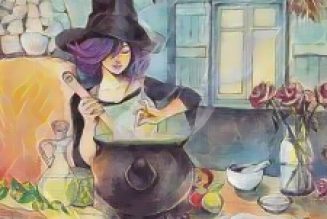
Long before synthetic dyes and modern textiles, the ancient arts of paganism and witchcraft embraced the sacred practice of dyeing fabric using plants, minerals, bark, roots, flowers, and fungi gathered from the natural world. Cloth was not merely colored for beauty—it was transformed with intention, spiritual meaning, and respect for the living Earth.
Traditional witches and folk practitioners often believed that every plant carried its own energy. The gathering of dye materials was done mindfully, sometimes during a specific moon phase or season, with thanks given to the spirits of the land. A simple offering of water, grain, or heartfelt gratitude was considered a way of honoring nature’s gifts before harvesting.
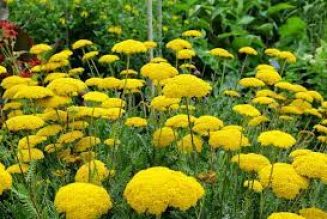
Different colors held symbolic meanings within many pagan traditions. Red, created from madder root or berries, represented vitality, courage, passion, and protection. Yellow, produced from onion skins, goldenrod, or weld, symbolized the sun, joy, and abundance. Blue, obtained from woad, reflected wisdom, truth, and spiritual insight. Green, achieved through layered dyeing techniques or certain plants, was linked to growth, fertility, and the forest. Brown, from walnut husks or oak bark, represented grounding, stability, and the ancestors.
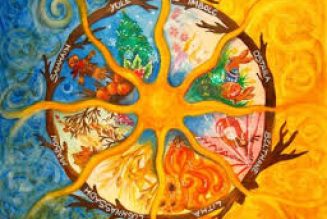
The dyeing process itself could become a ritual. Water was viewed as a purifier, fire transformed the dye pot, air carried prayers, and earth provided the plants, bringing together the four classical elements. As the cloth simmered, practitioners might quietly chant blessings, meditate on their intentions, or visualize the finished fabric carrying protective or healing energy.
Natural mordants such as alum, iron, or tannin-rich plant materials helped fix the colors to the fibres. Each ingredient influenced not only the durability of the dye but also its final shade, reminding the dyer that magic and nature both work through patience and subtle change.
Today, many modern pagans and traditional crafters continue these ancient practices as a way of reconnecting with ancestral knowledge and the rhythms of the seasons. Dyeing fabric by hand becomes more than a craft—it is an act of mindfulness, devotion, and partnership with the natural world, preserving old wisdom in every thread and every carefully chosen colour.