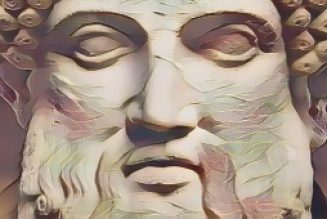
Beginning a journey into Witchcraft often starts with a search for spiritual meaning. Many people find that exploring relationships with deities—such as the Triple Goddess, Cernunnos, Diana, or others from ancient traditions—can be a helpful introduction to the Craft. Each of these deities has a unique history and symbolism. For instance, the Triple Goddess represents life’s cycles, Cernunnos is linked to nature and fertility, and Diana, from Roman tradition, stands for independence and the wild.
Working with these deities can add depth to your spiritual practice, especially within traditional or structured forms of the Craft. Rituals, seasonal celebrations, and meditation often focus on these divine figures, providing a sense of connection to the past and a framework for personal growth. However, not everyone is comfortable with the idea of “worshipping” deities, especially those new to Witchcraft.
For some, the idea of forming relationships with specific gods or goddesses may feel unfamiliar or even uncomfortable, particularly if their background is in monotheistic religions. Moving from a single deity to a worldview with many divine forms can be a significant change. It is common to feel uncertain about adopting practices from older traditions or to wonder if this approach fits your own spiritual needs.
Building a relationship with a deity—especially one you have only recently learned about—usually takes time, patience, and openness. This process often involves study, reflection, and personal exploration. For those raised in monotheistic faiths, accepting the idea of polytheism may require letting go of old habits and considering new perspectives. This journey is personal, and there is no single “right” way to approach it.
It is also entirely valid to practice Witchcraft without connecting to any specific deity. Many practitioners focus on broader ideas, such as the Goddess and the God, or on more abstract energies like the Universe. Some choose to work with the cycles of nature, the elements, or the interconnectedness of all things, rather than with named deities. Faith and belief develop over time, shaped by experience, study, and intuition.
As you explore your path, it can be helpful to move at your own pace. Studying different traditions, reading widely, and listening to your intuition can all support your journey. There is no universal definition of what makes someone a “true” Witch. Witchcraft is diverse, and differences in practice are common. Your spiritual journey is personal, and there is no intermediary between you and the Universe.
If you are interested in connecting with deities, you might start with research. Reading about various gods and goddesses in Witchcraft books, ancient myths, poetry, and historical texts can be informative. It is important to be aware of possible biases, especially in sources influenced by Judeo-Christian perspectives, which may misrepresent polytheistic deities. When possible, seek out primary sources and scholarly works, and approach your studies with an open and thoughtful mind.
Many Witches find that a deity may make their presence known in unexpected ways—such as through dreams, symbols, recurring images, or coincidences. Paying attention to these subtle signs and keeping a journal of your experiences can be useful. Over time, you may notice patterns that help you understand which energies or deities resonate most with you.
In addition to reading and research, practical experience can be valuable. You might try simple rituals, meditations, or offerings dedicated to deities or energies you are curious about. Attending open rituals or workshops, if available, can also provide insight into how others connect with the divine. Remember, your relationship with the spiritual world is always evolving. Allow yourself space to explore, question, and grow.
In the end, the path of Witchcraft is unique to each individual. Whether you find meaning in ancient deities, universal energies, or the rhythms of nature, your journey is valid. Trust your own process, respect your experiences, and understand that the search for spiritual connection is a lifelong journey—one that unfolds differently for everyone.