The witching hour, also known as the devil’s hour, is a concept rooted in folklore, superstition, religion, and literature. Traditionally, it refers to a period late at night when supernatural forces are believed to be at their strongest. Most commonly, it is associated with midnight or 3:00 AM, though beliefs vary across cultures and historical periods. Over time, the phrase has also taken on broader meanings and is now used in psychology, parenting, and finance to describe periods marked by heightened tension, unpredictability, or unusual activity.
Origins and Folklore
The belief in a “witching hour” comes from ancient ideas that certain times and places were more spiritually charged than others. Many cultures viewed nighttime as a liminal period — a threshold between safety and danger, order and chaos, or the living and the dead. Midnight in particular carried symbolic importance because it marked the transition from one day to the next.
In European folklore, darkness was often associated with supernatural beings such as witches, ghosts, demons, fairies, and spirits. Before artificial lighting became widespread, nighttime was genuinely dangerous and mysterious. Strange sounds, illness, unexplained deaths, and natural phenomena were frequently interpreted through a supernatural lens. As a result, stories developed around specific hours when evil spirits or magical forces were thought to roam more freely.
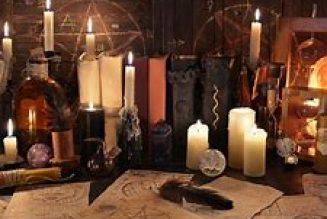
Some traditions claimed that during the witching hour the boundary between the physical world and the spirit world weakened. This supposedly allowed spirits to communicate with or influence the living more easily. Witches and sorcerers were believed to perform rituals, cast spells, or summon supernatural beings during these hours because their powers were considered stronger at night.
Why 3:00 AM Became the “Devil’s Hour”
One of the most enduring beliefs connects the witching hour to 3:00 AM. This idea largely comes from Christian symbolism rather than older pagan folklore.
According to Christian tradition, Jesus died around 3:00 PM. Over time, some religious interpretations framed 3:00 AM as the symbolic opposite of that sacred hour — a time associated with darkness, mockery of the Holy Trinity, or demonic influence. While there is no biblical passage directly identifying 3:00 AM as the “devil’s hour,” the idea became popular through religious storytelling, horror fiction, and later film and television.
Modern horror media greatly amplified this association. Many movies, paranormal television shows, and internet stories portray 3:00 AM as the peak time for hauntings, possessions, or unexplained events. These portrayals reinforced the belief in popular culture, even among people who do not literally believe in the supernatural.
The Witching Hour in Literature
Writers have long used the witching hour to create tension, fear, and psychological intensity.
One of the earliest famous references appears in William Shakespeare’s Hamlet:
“’Tis now the very witching time of night,
When churchyards yawn, and hell itself breathes out
Contagion to this world…”
In this scene, Hamlet describes nighttime as a moment when dark impulses and supernatural forces feel especially powerful. Shakespeare uses the idea not only for horror, but also to reflect Hamlet’s emotional and moral conflict.
The exact phrase “witching hour” appeared later in Elizabeth Carolina Keene’s 1762 poem Nightmare. Gothic literature of the 18th and 19th centuries expanded on these themes, linking midnight with ghosts, curses, madness, and forbidden knowledge.
In modern fiction, Anne Rice’s 1990 novel The Witching Hour brought the term to a contemporary audience through a supernatural family saga set in New Orleans. The title helped revive popular interest in the phrase during the late 20th century.
Rituals and Superstitions
Folklore surrounding the witching hour was not always negative. In many cultures, midnight rituals were believed to reveal hidden truths, predict the future, or provide protection.
Examples include:
- Scandinavian folklore: On Midsummer’s Eve, an unmarried woman could supposedly see her future husband by looking into a well or mirror at midnight.
- Irish folklore: Certain herbal remedies, blessings, and protective rituals were believed to work best when performed at midnight.
- European traditions: People sometimes rang church bells, carried charms, or avoided crossroads and graveyards at night to ward off spirits.
- Divination practices: Midnight was often considered the ideal time for fortune-telling, séances, or attempts to contact spirits.
These traditions reflected broader beliefs about midnight as a moment when ordinary rules no longer fully applied.
Psychological and Scientific Perspectives
Modern psychology offers practical explanations for why nighttime — especially around 3:00 AM — can feel unsettling.
Several biological and environmental factors contribute:
- Human alertness and body temperature naturally drop during the early morning hours.
- Darkness reduces sensory information, making unfamiliar sounds or movements seem more alarming.
- Sleep disruption can cause confusion, anxiety, or vivid dreams.
- Conditions such as sleep paralysis may create experiences that feel supernatural.
Sleep paralysis, in particular, has historically influenced ghost and demon stories. During an episode, a person may wake up unable to move while experiencing pressure on the chest, shadowy figures, or intense fear. Before scientific explanations existed, these experiences were often interpreted as attacks by spirits or demons.
Psychologists also note that anxiety and intrusive thoughts can feel stronger late at night because there are fewer distractions and people are more isolated.
Modern Uses of the Term
Today, “witching hour” is often used metaphorically rather than literally.
Parenting
Parents commonly use the phrase to describe a recurring period — usually in the late afternoon or evening — when infants become especially fussy, irritable, or difficult to soothe. Pediatric experts believe this behavior is related to overstimulation, fatigue, digestion, or developing sleep cycles rather than anything supernatural.
Finance
In financial markets, “witching hour” refers to the final hour of trading before certain derivatives contracts expire. These periods can involve sudden spikes in trading volume and market volatility as investors rush to close or adjust positions.
Common terms include:
- Double witching: two types of contracts expire simultaneously
- Triple witching: three types expire at once
- Quadruple witching: four categories expire together
The term was adopted because these trading sessions can appear chaotic and unpredictable.
The Witching Hour in Popular Culture
The witching hour remains a powerful cultural symbol because it combines fear of the unknown with fascination about hidden forces. Horror films, paranormal television, podcasts, and internet folklore continue to use it as shorthand for danger, mystery, and supernatural possibility.
Even among skeptics, the phrase persists because it captures a recognizable human experience: the strange emotional atmosphere of late-night hours when the world is quiet, perception changes, and imagination becomes more active.
Today, the witching hour exists somewhere between folklore, psychology, religion, and storytelling — less a fixed belief than a lasting cultural idea shaped by centuries of fear, ritual, and imagination.