We would like to disclose that this website may contain affiliate links. This means that if you click on a product link and make a purchase, we may earn a commission. As an Amazon & eBay Partner Network Associate, we earn from qualifying purchases.
A besom is the traditional broom used in many forms of modern Paganism and Witchcraft, especially within Wicca and broader folk magic traditions. While it looks similar to an ordinary broom, the besom carries strong symbolic, ritual, and historical meaning.
What Is a Besom?
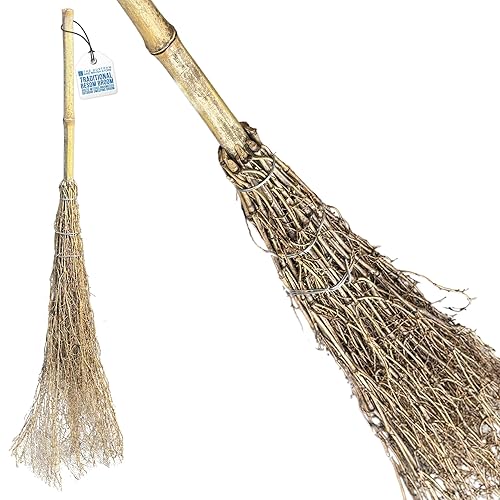
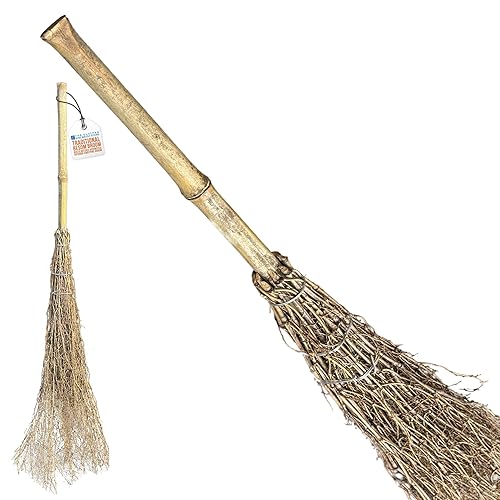
A besom is a handcrafted broom traditionally made from natural materials such as wood, twigs, straw, and plant fibers. In Pagan and witchcraft traditions, it is considered both a practical tool and a spiritual object.
Historically, besoms were ordinary household tools before becoming associated with folklore about witches flying on broomsticks. In modern Pagan practice, they are mainly used for cleansing, protection, ritual work, and symbolic purification.
History of the Besom
The besom has roots in ancient European folk traditions. Long before modern witchcraft religions existed, brooms were associated with:
- Sweeping away negative energy
- Protecting homes from harmful spirits
- Fertility rites and seasonal festivals
- Domestic guardianship
In parts of medieval England and Scotland, people placed brooms near doors to ward off evil influences.
The image of witches riding broomsticks likely came from:
- Folk tales
- Misunderstood fertility rituals
- Medieval superstition
- Anti-witch propaganda during the European witch trials
Modern witches generally view the flying broom image as symbolic rather than literal.
What Is a Besom Used For?
1. Spiritual Cleansing
The most common use is energetic cleansing. A witch may “sweep” a ritual area without touching the floor to symbolically clear stagnant or negative energy.
2. Protection
Besoms are often placed:
- Near front doors
- Above entrances
- Beside altars
This is believed to protect the home spiritually.
3. Circle Preparation
In many Wicca rituals, the besom is used before casting a sacred circle.
4. Handfasting Ceremonies
Jumping the broom is a tradition in some Pagan weddings and handfastings. The couple jumps over the besom to symbolize entering a new life together.
7
5. Seasonal Rituals
Besoms may be decorated during festivals such as:
- Samhain
- Beltane
- Yule
Decorations can include ribbons, herbs, flowers, crystals, or charms.
What Are Besoms Made From?
Traditional besoms are usually made from three main components:
Handle Wood
Different woods carry symbolic meanings.
Common choices include:
- Ash — protection and strength
- Oak — endurance and wisdom
- Birch — purification and renewal
- Willow — intuition and lunar energy
Bristles
The sweeping end is often made from:
- Birch twigs
- Broomcorn
- Heather
- Straw
- Reed grass
Binding Materials
Natural cord, leather strips, willow bark, or twine are traditionally used to tie the besom together.
8
Some modern decorative besoms also include:
- Crystals
- Feathers
- Charms
- Burned symbols or runes
- Colored ribbons
Symbolism of the Besom
The besom is often viewed as a balance of energies:
- The handle represents masculine energy
- The bristles represent feminine energy
Together, they symbolize harmony, unity, and the joining of opposites.
Many practitioners also see the besom as:
- A guardian tool
- A purifier
- A sacred household object
- A connection to ancestral folk traditions
Modern Perspective
Today, besoms are commonly found in:
- Pagan homes
- Witchcraft altars
- Folk art
- Ritual spaces
- Seasonal décor
Some practitioners make their own besoms as part of a spiritual practice, choosing woods and herbs with personal meaning.
While popular culture often portrays witches’ brooms dramatically, real modern Pagan use is generally symbolic, spiritual, and ceremonial rather than supernatural in the fantasy sense.