We would like to disclose that this website may contain affiliate links. This means that if you click on a product link and make a purchase, we may earn a commission. As an Amazon & eBay Partner Network Associate, we earn from qualifying purchases.
Here’s a balanced list of 10 of the best introductory books for modern Paganism — including broad overviews, practical guides, history, and tradition-specific introductions. I’ve mixed scholarly works with accessible beginner-friendly books so you can find a tone that suits you.
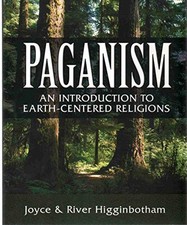
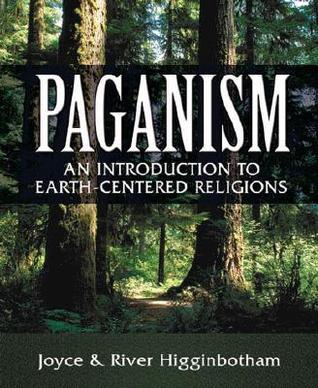
1. Paganism: An Introduction to Earth-Centered Religions — Joyce & River Higginbotham
This book is often considered one of the best starting points for beginners exploring modern Paganism. Joyce and River Higginbotham explain key Pagan ideas such as ritual, meditation, seasonal festivals, ethics, deity work, and magic in clear, approachable language. Instead of promoting one specific tradition, the authors present Paganism as a broad collection of earth-centered spiritual paths.
The structure is especially beginner-friendly, with reflection exercises and practical activities throughout the chapters. The tone is warm and educational without becoming overly mystical or preachy.
One of the book’s greatest strengths is its balanced perspective. The authors avoid exaggerated historical claims and encourage readers to explore thoughtfully and critically.
Readers seeking highly detailed instruction in a specific Pagan tradition may eventually want additional books, but as a broad introduction, this remains one of the most reliable and accessible guides available.
2. Drawing Down the Moon — Margot Adler
Margot Adler’s Drawing Down the Moon remains one of the most influential books about modern Paganism. Rather than functioning as a simple beginner guide, the book explores the wide variety of Pagan communities, beliefs, and traditions through interviews, historical analysis, and firsthand observation.
Adler examines Wiccans, Druids, Goddess worshippers, ceremonial magicians, and many other groups with intelligence and respect. Her background as both a journalist and practitioner gives the book unusual credibility and depth.
The greatest strength of the book is its honesty. Adler treats Paganism as a complex, living religious movement rather than a collection of stereotypes or fantasies.
Because of its broad scope, the book can feel dense for readers seeking quick practical instruction. However, readers interested in understanding the diversity and culture of modern Pagan spirituality will find it fascinating.
Even decades later, it remains essential reading for serious students of Paganism.
3. The Spiral Dance — Starhawk
The Spiral Dance is one of the foundational texts of modern Witchcraft and Goddess spirituality. Starhawk combines ritual practice, mythology, feminism, ecology, and mystical experience into a powerful and emotionally engaging spiritual vision.
Unlike highly structured beginner manuals, this book feels poetic and experiential. Rituals, meditations, chants, and exercises encourage readers to connect directly with spirituality rather than simply studying ideas intellectually.
One of the book’s greatest strengths is its imaginative energy. Starhawk’s writing inspires many readers to see nature, ritual, and personal transformation as deeply interconnected.
The feminist and political themes are central to the book and may resonate strongly with some readers while feeling overwhelming to others.
At times the writing can feel abstract or emotionally intense, especially for complete beginners. However, its sincerity and visionary style continue to make it one of the most influential books in modern Pagan literature.
4. The Path of Paganism — John Beckett
John Beckett’s The Path of Paganism is a thoughtful and grounded introduction to modern Pagan spirituality. Instead of focusing heavily on spellwork or occult techniques, Beckett explores the deeper spiritual and philosophical foundations of Pagan practice.
The book discusses ritual, prayer, meditation, ethics, theology, and community in a calm and accessible way. Beckett encourages readers to build authentic personal practices rather than blindly following tradition.
One of the book’s strongest qualities is its emotional maturity. Paganism is presented as a meaningful spiritual path requiring reflection and personal responsibility rather than fantasy or escapism.
Readers searching for highly detailed magical instruction may find the book more reflective than practical. However, that reflective approach is also part of its appeal.
For readers seeking an intellectually serious yet approachable introduction to Pagan spirituality, The Path of Paganism remains one of the strongest contemporary beginner books available.
5. Pagan Curious — Debra DeAngelo
Pagan Curious is designed specifically for readers who are interested in Paganism but unsure where to begin. Debra DeAngelo uses a conversational and reassuring writing style that makes the subject feel approachable rather than intimidating.
The book introduces common Pagan beliefs and practices, including ritual, meditation, seasonal celebrations, and deity work. It also addresses common misconceptions about Paganism while encouraging readers to explore spirituality thoughtfully and at their own pace.
One of the book’s greatest strengths is its accessibility. DeAngelo acknowledges that many readers may come from difficult religious backgrounds or feel uncertain about organized spirituality.
Experienced practitioners may find the material broad and introductory, but that simplicity is exactly what makes the book useful for beginners.
Overall, Pagan Curious succeeds because it presents Pagan spirituality as flexible, welcoming, and deeply personal rather than mysterious or inaccessible.
6. Wicca: A Guide for the Solitary Practitioner — Scott Cunningham
Scott Cunningham’s classic guide remains one of the most popular introductions to solitary Wiccan practice. Its enduring appeal comes from Cunningham’s warm and encouraging writing style, which makes ritual and magical concepts easy for beginners to understand.
The book covers altar setup, elemental symbolism, seasonal festivals, meditation, ritual design, and simple spellwork in a highly practical way. Cunningham encourages readers to adapt practices personally instead of following rigid rules.
One reason the book became so influential is its emphasis on solitary spirituality. Readers who lacked access to covens or formal groups found Cunningham’s independent approach empowering.
Because the book was written decades ago, some terminology and assumptions may feel dated. It is also specifically focused on Wicca rather than Paganism generally.
Still, Cunningham’s sincerity and clarity continue to make this one of the most approachable beginner books in modern Pagan literature.
7. The Triumph of the Moon — Ronald Hutton
Ronald Hutton’s The Triumph of the Moon is one of the most respected historical studies of modern Pagan Witchcraft and Wicca. Instead of teaching rituals or magical practice, Hutton explores how modern Pagan traditions developed from nineteenth- and twentieth-century cultural movements.
The book examines folklore, ceremonial magic, Romanticism, occult revivalism, and the origins of Wicca with impressive scholarly detail. Hutton challenges many popular myths while still treating modern Paganism respectfully.
Because of its academic style, the book can feel demanding for casual readers or complete beginners. However, readers interested in historical accuracy and serious scholarship will find it extremely valuable.
One of the book’s greatest strengths is its intellectual honesty. Hutton demonstrates that modern Paganism possesses cultural and spiritual meaning even without exaggerated ancient origins.
For readers interested in Pagan history, this remains an essential and highly respected work.
8. The Green Witch — Arin Murphy-Hiscock
The Green Witch focuses on nature-centered spirituality, herbalism, and home-based magical practice. Arin Murphy-Hiscock presents Pagan-inspired spirituality in a calm and accessible style that strongly appeals to readers interested in natural living and personal ritual.
The book explores herbs, crystals, gardens, meditation, seasonal awareness, and simple rituals designed for everyday life. Rather than emphasizing formal ceremonies, the author encourages readers to develop spiritual awareness through daily habits and connection with nature.
One of the book’s biggest strengths is its gentle and welcoming tone. It presents spirituality as something integrated into ordinary life rather than hidden within complicated rituals.
Some experienced practitioners may find the material simplified or aesthetically focused. Readers seeking deep theology or historical scholarship may want more advanced material later.
Still, as an introduction to intuitive and nature-centered spirituality, The Green Witch remains highly approachable and popular.
9. The Path of Druidry — Penny Billington
Penny Billington’s The Path of Druidry is an engaging introduction to contemporary Druid spirituality. Instead of relying on fantasy stereotypes, Billington presents Druidry as a reflective spiritual practice rooted in creativity, storytelling, meditation, and connection with nature.
The book combines practical exercises with thoughtful discussions about symbolism, seasonal cycles, and spiritual awareness. Billington’s writing style is warm, intelligent, and approachable for complete beginners.
One of the book’s strengths is its emphasis on imagination and personal experience rather than rigid doctrine. Readers are encouraged to explore myth, landscape, and creativity as spiritual tools.
The book also avoids excessively romanticizing ancient Druids, focusing instead on how modern Druid spirituality functions today.
Readers seeking highly ceremonial systems may eventually want additional resources, but as a beginner introduction the book feels thoughtful, grounded, and inviting.
Overall, it presents modern Druidry as imaginative, peaceful, and deeply connected to the natural world.
10. Essential Asatru — Diana L. Paxson
Essential Asatru is one of the strongest beginner introductions to Norse Paganism and Heathen spirituality. Diana Paxson explains Norse mythology, gods, rituals, ethics, and seasonal observances in a way that is both approachable and thoughtful.
The book introduces readers to figures such as Odin, Thor, Freyja, and Loki while discussing concepts like ancestor veneration, reciprocity, honor, and hospitality. Paxson balances mythology with practical guidance for modern spiritual practice.
One of the book’s greatest strengths is its responsible approach to Heathenry. Paxson clearly distances modern Norse Paganism from extremist political distortions and emphasizes scholarship, spirituality, and community.
The writing is accessible enough for beginners while still offering
My overall recommendations by interest
- Best complete beginner book:
Paganism: An Introduction to Earth-Centered Religions - Best cultural overview:
Drawing Down the Moon - Best practical ritual guide:
Wicca: A Guide for the Solitary Practitioner - Best historical study:
The Triumph of the Moon - Best for modern spirituality and reflection:
The Path of Paganism
One thing worth knowing going in: “Paganism” is an umbrella term, not a single religion. Most people eventually gravitate toward a particular path — Wicca, Druidry, Heathenry, Hellenism, eclectic Paganism, animism, etc. The best beginner books help you explore broadly before narrowing your focus.