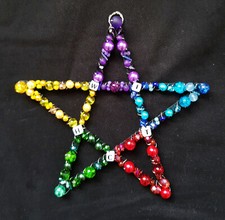
Paganism is a broad spiritual tradition rooted in ancient beliefs, seasonal cycles, and the natural world. Although modern pagan practices vary widely, many traditions share a deep respect for elemental forces. The concept of the elements is central to pagan spirituality, representing the building blocks of existence and the connection between humanity and nature. The most common pagan elements are Earth, Air, Fire, Water, and Spirit, each carrying unique symbolic meanings and spiritual associations.
The idea of elemental forces dates back thousands of years to ancient civilizations such as the Greeks, Celts, Egyptians, and Norse cultures. These societies believed that nature was alive with energy and that the elements influenced both the physical and spiritual worlds. Modern pagan traditions, including Wicca, Druidry, and other nature-based paths, continue to honor these elemental powers in rituals, meditation, and seasonal celebrations.
Earth is often associated with stability, grounding, and fertility. It represents the physical world, including mountains, forests, soil, and the body itself. In pagan symbolism, Earth is connected with strength, endurance, prosperity, and growth. Rituals involving Earth may include crystals, stones, plants, or salt. Many pagans view Earth as a nurturing force that provides life and sustenance. It is also linked to the north direction in many traditions and is commonly represented by the colors green or brown.
Air symbolizes intellect, communication, inspiration, and wisdom. It is connected to the breath of life, the wind, and the power of thought. Air is often associated with creativity, learning, and spiritual awareness. Pagans may use incense, feathers, bells, or smoke in rituals to invoke the element of Air. This element is linked to the east direction and is commonly represented by yellow or white colors. Air reminds practitioners of the importance of mental clarity and the invisible forces that shape human experience.
Fire represents passion, transformation, courage, and energy. It is one of the most powerful and dynamic pagan elements because it can both create and destroy. Fire is often used in rituals through candles, bonfires, or lanterns. Many pagan festivals, such as Beltane, include ceremonial fires symbolizing purification, renewal, and vitality. Fire is associated with the south direction and the color red or orange. Spiritually, Fire encourages personal growth, determination, and the release of negative energy.
Water is the element of emotion, intuition, healing, and purification. Rivers, oceans, rain, and lakes are seen as sacred sources of life and spiritual cleansing. In pagan rituals, Water may be represented by bowls of water, seashells, or sacred springs. This element is connected to the west direction and is often symbolized by blue or silver colors. Water teaches adaptability and emotional balance, reminding practitioners of the constant flow and change within life.
The fifth element, Spirit, is sometimes called Ether or Aether. Unlike the physical elements, Spirit represents the divine connection that unites all living things. It symbolizes consciousness, energy, and the sacred essence of existence. Spirit is often viewed as the balance between the other four elements, bringing harmony and unity. In many pagan traditions, Spirit is represented at the center of a ritual circle, showing its role as the binding force of creation.
The elements are frequently incorporated into pagan rituals and ceremonies. Many practitioners cast a sacred circle and call upon each element for protection and balance. Altars may contain symbolic objects connected to the elements, such as candles for Fire, incense for Air, water bowls for Water, and stones for Earth. These practices help create a spiritual connection between the practitioner and the natural world.
Seasonal festivals, often called Sabbats in Wiccan traditions, also reflect elemental themes. For example, spring celebrations emphasize Earth’s fertility and Water’s renewal, while summer festivals focus on Fire’s energy and vitality. Autumn honors Earth’s harvest and the cycle of life, while winter reflects introspection and spiritual renewal. Through these celebrations, pagans recognize the rhythms of nature and humanity’s place within them.
In modern times, pagan elements continue to inspire people seeking spiritual paths centered on environmental awareness, personal growth, and harmony with nature. While beliefs differ among traditions and individuals, the elements remain a powerful framework for understanding both the world and the self. They symbolize balance, transformation, and the interconnectedness of all life.
Ultimately, the pagan elements are more than symbolic concepts; they are reflections of nature’s forces and human experience. By honoring Earth, Air, Fire, Water, and Spirit, pagan traditions encourage mindfulness, respect for the environment, and a deeper connection to the universe.