Throughout history, chalices have held deep spiritual meaning across many cultures and religions. In Pagan traditions, the chalice is far more than a decorative cup; it is a sacred ritual tool rich in symbolism, mystery, and spiritual power. Used in ceremonies, seasonal celebrations, and personal spiritual practice, Pagan chalices continue to play an important role in modern Paganism, Wicca, and other Earth-centered spiritual paths.
A chalice is traditionally a goblet or cup used to hold liquid during ritual practices. In Pagan traditions, the chalice often represents the feminine divine, intuition, emotion, and the element of water. Its open, receptive shape symbolizes fertility, creation, and spiritual nourishment. Many practitioners associate the chalice with the Goddess, particularly in Wiccan belief systems where balance between masculine and feminine energies is central.
The history of ritual cups predates modern Paganism by thousands of years. Ancient civilizations such as the Celts, Greeks, Egyptians, and Romans used ceremonial vessels in religious rites and offerings. Archaeologists have discovered ornate cups and goblets in burial sites and temples, suggesting these objects held ceremonial and sacred importance. In Celtic mythology, magical cauldrons and cups often symbolized wisdom, rebirth, and abundance. These ancient influences helped shape the symbolic role of the chalice in contemporary Pagan spirituality.
In many Pagan rituals, the chalice is placed on the altar alongside other sacred tools. In Wiccan practice, it is commonly paired with the athame, a ritual blade. Together, the athame and chalice symbolize the union of masculine and feminine energies, creation, and spiritual harmony. During rituals, wine, water, or herbal infusions may be poured into the chalice and blessed before being shared among participants. This act represents unity, divine blessing, and connection with nature and spirit.
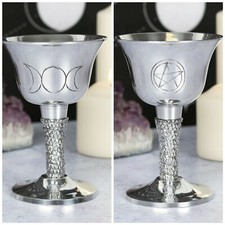
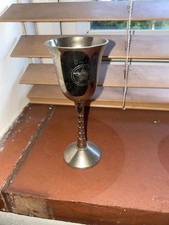
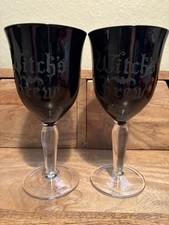
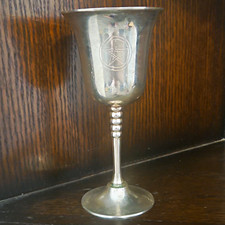
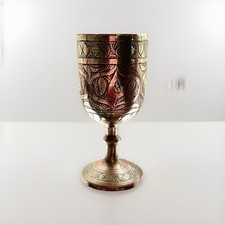
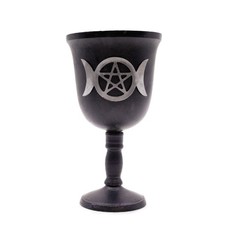
The materials used to craft Pagan chalices often carry spiritual significance as well. Chalices may be made from silver, wood, ceramic, glass, pewter, or crystal. A wooden chalice may symbolize grounding and connection to the Earth, while silver is associated with lunar energy and intuition. Crystal chalices are popular among practitioners who work with energy healing or magical correspondences. Many chalices are engraved with Pagan symbols such as pentacles, moons, vines, dragons, or Celtic knots, each adding layers of meaning to the ritual object.
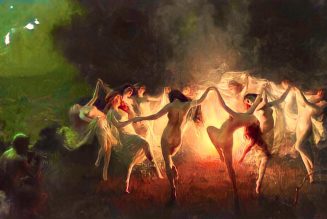
Seasonal festivals, often called Sabbats in Wiccan traditions, frequently involve the use of the chalice. During Beltane celebrations, for example, the chalice may symbolize fertility and the blossoming of life in spring. At Samhain, the Pagan festival honoring ancestors and the cycle of death and rebirth, a chalice may hold offerings or ritual drinks dedicated to spirits and loved ones who have passed on. In moon rituals, especially those honoring the full moon, the chalice can serve as a vessel for moon water or sacred wine used in blessings and meditation.
Beyond formal ceremonies, many Pagans use chalices in personal spiritual practice. Some keep a chalice on a home altar as a symbol of devotion and spiritual focus. Others use it during meditation, prayer, or spellwork. Water placed in a ritual chalice may be charged with intention, blessings, or healing energy. In this sense, the chalice becomes not only a sacred object but also a tool for transformation and mindfulness.
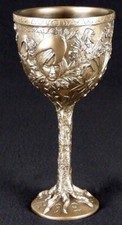
Modern artisans and craftspeople have embraced the growing interest in Pagan spirituality by creating handcrafted chalices that reflect a wide variety of traditions and aesthetics. Some are simple and rustic, while others are highly ornate works of art featuring gemstones, carvings, and mythological imagery. Choosing a chalice is often considered a personal and spiritual experience, as practitioners seek one that resonates with their beliefs, intentions, and magical practice.
Despite misconceptions, Pagan chalices are not inherently linked to dark or negative practices. Instead, they are symbols of reverence for nature, spirituality, balance, and sacred connection. For many practitioners, the chalice represents the ability to receive wisdom, healing, and divine energy from the universe.
In today’s world, where many people seek alternative spiritual paths and deeper connections with nature, the Pagan chalice remains a powerful emblem of ancient wisdom and sacred tradition. Whether used in elaborate rituals or quiet personal reflection, the chalice continues to serve as a meaningful bridge between the physical and spiritual worlds.