We would like to disclose that this website may contain affiliate links. This means that if you click on a product link and make a purchase, we may earn a commission. As an Amazon & eBay Partner Network Associate, we earn from qualifying purchases.
Ancestor veneration has been a central feature of many pagan traditions throughout history. Across Europe, Africa, Asia, and the Americas, ancient peoples believed the dead remained spiritually connected to the living. Rather than viewing death as a final separation, many pagan cultures understood it as a transformation into another form of existence. Today, modern pagans continue these practices, creating meaningful relationships with those who came before them and preserving traditions that honor family, heritage, and memory.
In pagan spirituality, ancestors are often regarded as protectors, guides, and sources of wisdom. Unlike formal worship directed toward gods or divine beings, ancestor veneration usually focuses on respect, remembrance, and maintaining a spiritual bond. Ancestors may include blood relatives, spiritual teachers, cultural forebears, or even legendary figures connected to one’s tradition. The belief underlying many forms of ancestor work is that the dead remain interested in the wellbeing of the living and may offer support, insight, or protection.
Historically, ancestor reverence appeared in many pagan societies. The ancient Romans practiced household rites dedicated to the lares and manes, spirits associated with the family and the dead. In Norse traditions, burial mounds were considered sacred places where ancestors continued to influence the fortunes of their descendants. Celtic communities honored the dead during seasonal festivals such as Samhain, when the boundary between worlds was believed to become thin. In Slavic and Baltic traditions, offerings of food and drink were left for ancestral spirits during communal feasts. Although the details varied, these customs reflected a shared understanding that family lines extended beyond physical life.
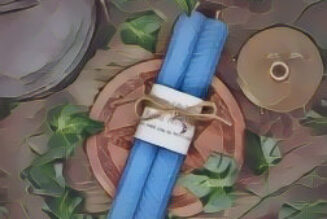
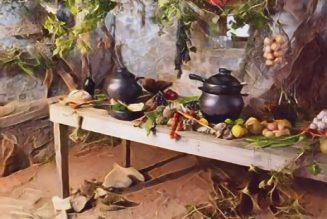
Modern paganism has revived many of these ideas, often adapting them to contemporary lifestyles. One common practice is creating an ancestor altar. Such altars may contain photographs, heirlooms, candles, flowers, or objects connected to deceased loved ones. Offerings such as bread, wine, tea, incense, or fresh water are frequently placed on the altar as gestures of hospitality and remembrance. The act itself is symbolic, emphasizing gratitude and connection rather than sacrifice.
Meditation and prayer also play important roles in ancestor work. Some pagans speak directly to their ancestors, asking for guidance during difficult times or expressing thanks for inherited strengths and opportunities. Others engage in quiet reflection, attempting to listen inwardly for impressions, memories, or intuitive insight. Dreams are often considered especially significant, with many believing ancestors communicate through symbolic imagery during sleep.
Seasonal festivals remain important occasions for honoring the dead. Samhain, celebrated by many contemporary pagans around October 31st, is perhaps the best-known example. Traditionally associated with the end of harvest and the beginning of winter, Samhain is viewed as a liminal period when spiritual boundaries weaken. During this time, practitioners may light candles for departed loved ones, prepare memorial feasts, or leave offerings outdoors. Similar customs appear in many cultures worldwide, demonstrating humanity’s enduring desire to maintain bonds with the deceased.
Ancestor veneration can also serve as a path toward personal healing and identity. By researching family history, preserving stories, or reconnecting with cultural traditions, individuals often gain a stronger sense of belonging and continuity. For some, ancestor work becomes a way of understanding inherited patterns, both positive and negative. Honoring ancestors does not necessarily mean idealizing them; many practitioners acknowledge the complexities and flaws of past generations while still recognizing their role in shaping the present.
Importantly, modern pagan approaches to ancestor work are diverse and highly personal. Some practitioners interpret ancestors literally as spiritual beings capable of interaction, while others view the practice psychologically, seeing ancestors as symbols of memory, heritage, and collective experience. These perspectives are not always mutually exclusive. A ritual may carry emotional, cultural, and spiritual meaning simultaneously, allowing participants to connect with the past in ways that feel authentic to them.
Critics sometimes misunderstand ancestor veneration as superstition or idol worship, but practitioners generally describe it as an act of remembrance and relationship. In many ways, the practice resembles traditions found across the world today, from maintaining family graves to displaying photographs of deceased relatives. Pagan ancestor work simply places these acts within a spiritual framework that emphasizes reciprocity between the living and the dead.
As interest in alternative spirituality continues to grow, ancestor veneration remains one of the most enduring and accessible elements of pagan practice. Whether approached through ritual, meditation, genealogy, or storytelling, it encourages individuals to recognize themselves as part of a larger human continuum. By honoring those who came before, modern pagans seek not only guidance from the past but also a deeper understanding of their place within the ongoing cycle of life, death, and renewal.