Ostara, also known as the Spring Equinox, is a festival that marks the balance of day and night and the return of light to the world. This celebration is rooted in ancient traditions that honor renewal, fertility, and the awakening of the earth after winter’s rest. Many practitioners observe Ostara with rituals and gatherings that focus on growth, hope, and new beginnings.
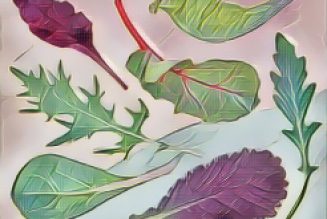
A central part of Ostara is the feast, which is carefully crafted to reflect the abundance and freshness of spring. Tables are often adorned with vibrant greens such as spinach, arugula, dandelion, and edible flowers. These ingredients not only provide nourishment but also symbolize the earth’s reawakening and the promise of new life.
Eggs are a prominent feature of Ostara meals, representing fertility, potential, and the cyclical nature of life. Dishes like quiches, deviled eggs, frittatas, and even brightly dyed hard-boiled eggs are commonly prepared. In some traditions, eggs are decorated and exchanged as tokens of good fortune and blessings for the season ahead.
Breads and baked goods also play a significant role. Loaves made with seeds—such as sunflower, poppy, or pumpkin seeds—are traditional, symbolizing the act of planting and the hope for a fruitful harvest. Hot cross buns, braided breads, and honey cakes may also be served, each carrying its own regional or cultural significance.
Desserts at Ostara often highlight the flavors of the season. Honey, lavender, and lemon are popular choices, offering a light and refreshing conclusion to the meal. Honey cakes, lemon tarts, and lavender shortbread are just a few examples, each evoking the sweetness and vitality of springtime.
Beyond food, Ostara celebrations may include decorating altars with fresh flowers, seeds, and symbols of the four elements. Rituals might involve planting seeds, lighting candles, or meditating on intentions for the coming months. Through these practices, participants honor the cycles of nature and embrace the spirit of renewal that Ostara brings.