The daffodil, or Narcissus, is a classic symbol of spring, renowned for its cheerful, trumpet-shaped flowers that brighten gardens and meadows alike. Belonging to the Amaryllidaceae family, daffodils are native to Europe, North Africa, and parts of Asia, and have been cultivated for centuries for their beauty and resilience. There are over fifty species and thousands of cultivars, ranging from the familiar golden yellow to white, orange, and even pink varieties. Their botanical structure is distinctive: each flower features a central corona, or trumpet, surrounded by six petal-like tepals, and is borne atop a smooth, leafless stem that rises from a bulb nestled underground.
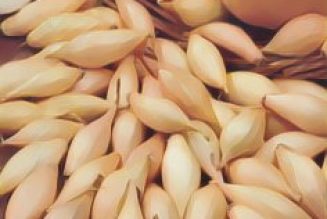
Daffodils grow from hardy bulbs, which should be planted in the fall—typically from September to November—before the ground freezes. Select a location with well-drained soil and full to partial sunlight, as daffodils dislike soggy conditions. Plant the bulbs about three times as deep as their height, with the pointed end facing up, and space them several inches apart to allow for natural spreading. For best results, enrich the soil with compost or well-rotted manure, and avoid planting in areas where water tends to pool. Once established, daffodils require minimal care—just water them during dry spells and allow the foliage to die back naturally after flowering, as this process helps the bulbs store energy for the next year’s display.
As winter fades, daffodil shoots emerge, their slender, green leaves pushing through the soil and heralding the arrival of spring. By early to mid-spring, the plants burst into bloom, displaying vibrant yellow, white, or even orange flowers. Each stem usually bears a single flower, though some varieties produce clusters. Daffodils thrive in borders, lawns, and naturalized drifts beneath trees, where they catch the soft spring sunlight. They are also excellent for containers and window boxes, bringing a splash of color to patios and balconies. After flowering, resist the urge to cut back the leaves too soon—let them yellow and wither naturally, as this ensures the bulbs are nourished for future seasons.
Daffodils have a rich history in art, literature, and folklore. In ancient Greece, the flower was linked to the myth of Narcissus, a youth who fell in love with his own reflection and was transformed into the flower that bears his name. In Victorian England, daffodils symbolized chivalry and unrequited love, while in Wales, they are worn on St. David’s Day as a national emblem of pride and renewal. The daffodil is also the official flower of the American Cancer Society’s “Daffodil Days,” representing hope and the fight against cancer. Their enduring presence in poetry—most famously in Wordsworth’s “I Wandered Lonely as a Cloud”—has cemented their status as a universal symbol of joy and inspiration.
In witchcraft and magical traditions, the daffodil is a powerful symbol of renewal, hope, and new beginnings. Its bright yellow color is associated with the sun, joy, and positive energy, making it a favorite for springtime rituals and spells that focus on growth, transformation, and attracting happiness. Daffodils are often used in Ostara celebrations, the spring equinox, to honor the return of light and life. Their energy is said to dispel negativity, uplift the spirit, and encourage optimism, making them ideal for spells and meditations centered on personal growth and healing.
Traditionally, daffodils have been used in magical practices to bring about prosperity, luck, and protection. Placing fresh daffodils on an altar or in the home is believed to invite abundance and ward off negative influences. In some folk traditions, carrying a daffodil or keeping its petals in a charm bag can attract good fortune and boost self-esteem. Dried daffodil petals may be added to spell jars, sachets, or bath rituals to enhance intentions of renewal and success. For protection, daffodil bulbs were once planted near doorways or windows to guard against misfortune and ill will.
Daffodils are also linked to love and fertility magic. Their early bloom is seen as a sign of hope after the darkness of winter, and they are often included in rituals to encourage new relationships or to rekindle passion. Practitioners may use daffodil petals in spell jars, bath rituals, or as offerings during Ostara, the spring equinox, to honor the return of light and life. In some cultures, gifting a single daffodil is thought to bring misfortune, while a bouquet brings happiness and prosperity—so always give daffodils in bunches!
When working with daffodils in magical practice, always remember that the plant is toxic if ingested, so use with care. All parts of the daffodil contain lycorine, a compound that can cause nausea and other symptoms if consumed. Handle bulbs and flowers with gloves if you have sensitive skin, and keep them away from pets and children. Dried petals can be added to sachets, placed on altars, or used in meditation to inspire clarity and optimism. Meditating among blooming daffodils or visualizing their golden energy can help cleanse the spirit and set intentions for personal growth. Try creating a daffodil-infused water (for external use only) to sprinkle around your home for a burst of solar energy and protection.
Fun fact: Daffodils are deer- and rodent-resistant, making them a reliable choice for gardens plagued by hungry wildlife. They also naturalize easily, spreading over time to create breathtaking drifts of color with little intervention. In addition to their magical uses, daffodils are valued in herbalism for their historical role in traditional remedies, though modern herbalists caution against internal use due to toxicity.
Whether you’re planting daffodils in your garden or incorporating them into your spiritual work, these radiant flowers offer both botanical beauty and deep magical significance. Their golden trumpets herald the return of warmth and light, making them a cherished ally for any witch or practitioner seeking to celebrate the cycles of renewal, hope, and joyful transformation.