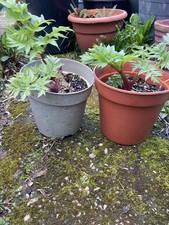
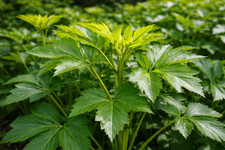
The plant that produces Angelica leaves is known as Angelica archangelica, a striking biennial or short-lived perennial herb. It can reach impressive heights of up to six feet, with sturdy, hollow stems that are often tinged with a purplish hue. The leaves are large, bright green, and deeply divided, giving them a feathery, almost architectural appearance. Each leaf is composed of several smaller leaflets, and the overall foliage is lush and vibrant. Angelica’s most distinguishing feature is its dramatic, umbrella-shaped clusters of tiny, pale greenish-white flowers, which bloom atop tall stalks in early to midsummer. This plant thrives in cool, damp environments, often found along the edges of meadows, near streams, or in moist woodland clearings. Its preference for rich, moist soil and partial shade makes it a common sight in northern and central Europe, as well as parts of North America. The robust, aromatic stems and the sheer size of the plant set Angelica apart from other members of the carrot family, making it both a beautiful and easily recognizable addition to any wild or cultivated garden.
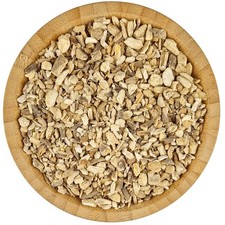
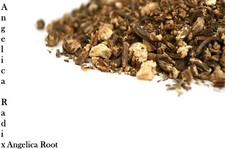
Angelica’s history stretches back centuries, woven into the folklore and healing traditions of many cultures. In medieval Europe, Angelica was believed to have been revealed to humans by an angel during a time of plague, which is how it earned its name and reputation as a plant of divine protection. Monks and herbalists cultivated Angelica in monastery gardens, using its leaves, stems, and roots in tonics and elixirs to ward off illness and evil. In Scandinavia, it was so highly valued that it was sometimes used as a form of currency, and its stems were candied and eaten as a sweet treat. The plant’s aromatic qualities made it a popular ingredient in liqueurs such as Chartreuse and gin, and its roots were used in traditional medicine to treat digestive issues, respiratory ailments, and even as a general tonic for longevity.
But beyond its striking appearance and medicinal uses, Angelica has long held a special place in the world of witchcraft and folk magic. Traditionally, Angelica leaves are revered for their powerful protective qualities. Witches and healers would often carry dried Angelica leaves in a sachet or sprinkle them around the home to ward off negative energies and malevolent spirits. In purification rituals, Angelica is burned as an incense or added to bathwater, believed to cleanse both the body and the aura of unwanted influences. The plant’s association with healing is ancient—its leaves and stems were once used in herbal remedies to strengthen the body and spirit, and to guard against illness.
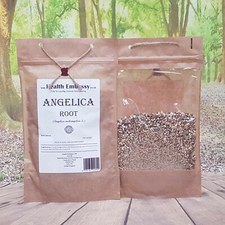
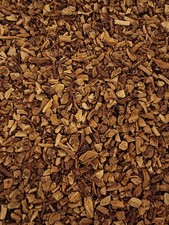
Angelica is also valued for its ability to offer spiritual guidance. Placing the leaves on an altar or using them in meditation is said to invite angelic protection and clarity, helping practitioners connect with higher wisdom. In some traditions, Angelica is even used in spells to break hexes or to bring blessings and good fortune. In Hoodoo and other folk practices, Angelica root is sometimes called “Holy Ghost Root” and is used in mojo bags for protection and to invoke spiritual guardianship. Some practitioners plant Angelica near the entrance of their homes or gardens, believing it forms a barrier against harm and misfortune.
Whether you’re seeking to protect your space, purify your energy, or open yourself to spiritual insight, Angelica leaves are a versatile and time-honored ally in the magical arts. Their rich history, striking beauty, and powerful energy make them a cherished tool for witches, healers, and herbalists alike. Next time you encounter this majestic plant, remember its legacy as a bridge between the earthly and the divine—a living symbol of protection, healing, and spiritual connection.