We would like to disclose that this website may contain affiliate links. This means that if you click on a product link and make a purchase, we may earn a commission. As an Amazon & eBay Partner Network Associate, we earn from qualifying purchases.
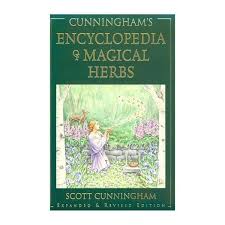
Cunningham’s Encyclopedia of Magical Herbs is more than just a book—it’s a gateway into the world of herbal magic, a tradition that stretches back thousands of years and spans countless cultures. First published in 1985, this comprehensive reference has become a foundational text for modern witches, herbalists, and anyone drawn to the mysteries of nature’s green world.
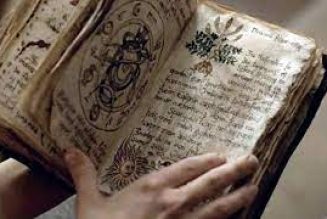
The roots of herbal magic run deep. Since ancient times, people have turned to plants for healing, protection, and spiritual connection. In ancient Egypt, priests burned sacred herbs as offerings to the gods. In Greece and Rome, laurel, myrrh, and frankincense were used in rituals and ceremonies. Medieval wise women and cunning folk crafted charms and potions from local plants, passing their knowledge down through generations. Cunningham’s Encyclopedia gathers this vast heritage, distilling centuries of wisdom into a single, accessible volume.
What sets Cunningham’s work apart is its blend of historical context, practical advice, and magical insight. The book explores the magical properties, folklore, and traditional uses of over 400 herbs, drawing from both ancient sources and contemporary practice. Each entry is carefully researched, offering not only the magical associations of each plant, but also its planetary rulers, gender correspondences, and folk names. This makes the encyclopedia an invaluable tool for anyone seeking to deepen their understanding of herbal magic.
The book’s structure is designed for both beginners and experienced practitioners. Each herb is listed alphabetically, with detailed information on its magical uses, history, and correspondences. For example, rosemary is associated with purification, remembrance, and fidelity, while mugwort is prized for psychic awareness and dream work. Garlic, a staple in kitchens and spellwork alike, is noted for its powers of protection, healing, and exorcism. These entries are more than just lists—they are invitations to explore the living spirit of each plant.
One of the most helpful features of Cunningham’s Encyclopedia is its extensive cross-referencing. Folk names and regional terms can often cause confusion, especially when following old recipes or spells. The book’s folk name index clarifies these mysteries: “bramble” is revealed as blackberry, “enebro” as juniper, and so on. This attention to detail ensures that practitioners can confidently select the right plant for their magical work, avoiding costly mistakes or misunderstandings.
The encyclopedia also includes lists of herbs categorized by their magical powers—such as love, protection, healing, or prosperity—as well as their planetary and elemental associations. This allows practitioners to craft spells and rituals that are finely tuned to their intentions. For instance, if you wish to attract love, you might choose herbs like rose, basil, and violet, all of which are linked to affection and romance. For protection, you might turn to garlic, rosemary, or bay leaves.
Cunningham’s approach is deeply practical. The book offers clear instructions for creating herbal sachets, amulets, incense blends, and ritual baths. For example, a simple protective charm might involve placing rosemary and garlic in a small pouch and carrying it with you. To invite love, you could combine rose petals and basil, placing them under your pillow to attract affection. The encyclopedia encourages experimentation and adaptation, empowering readers to make these traditions their own.
Beyond spellwork, Cunningham’s Encyclopedia is a guide to building a deeper relationship with the natural world. The book encourages readers to observe the cycles of the seasons, to harvest plants ethically, and to give thanks for the gifts of the earth. It reminds us that magic is not just about results, but about intention, respect, and gratitude. This philosophy is woven throughout the text, inviting practitioners to approach their craft with mindfulness and care.
The historical context provided in the encyclopedia is especially valuable. Cunningham traces the use of herbs in magic from ancient civilizations to modern witchcraft, highlighting the ways in which plant lore has evolved over time. He discusses the role of herbs in folk medicine, religious rituals, and everyday life, showing how these traditions have shaped our understanding of the natural world. This perspective helps readers appreciate the depth and richness of herbal magic, connecting them to a lineage that stretches back millennia.
The book is widely praised by experts in the field. Paul Beyerl, a respected author on herbs, describes it as “an essential reference book for students of herbalism and magick alike,” noting Cunningham’s approachable style and thorough research. Jeanne Rose, a well-known herbal author and educator, commends the book’s accessibility, readability, and comprehensive index. With over 200,000 copies sold, the encyclopedia has become a trusted companion for countless practitioners around the world.
Practical examples abound throughout the book. For instance, Cunningham explains how to use herbs in ritual baths for purification, in incense blends for meditation, or in amulets for protection. He provides recipes for herbal teas, sachets, and oils, along with guidance on how to charge and empower these creations with magical intent. The book also addresses the importance of timing—such as gathering herbs during specific moon phases or planetary hours—to enhance their effectiveness.
Cunningham’s Encyclopedia is also a resource for those interested in the cultural significance of herbs. The book explores the symbolism of plants in myth and folklore, from the laurel wreaths of ancient Greece to the protective rowan trees of Celtic tradition. It discusses the role of herbs in seasonal festivals, such as Beltane and Samhain, and offers suggestions for incorporating plant magic into modern celebrations. This cultural context enriches the practice of herbal magic, grounding it in a tapestry of stories and traditions.
For those new to herbal magic, the encyclopedia provides a gentle introduction. Cunningham emphasizes the importance of safety, urging readers to positively identify any plant before use and to be aware of potential toxicity. He encourages ethical harvesting—taking only what is needed, leaving enough for the plant to thrive, and offering thanks to the earth. The book also addresses issues of cultural appropriation, reminding practitioners to honor the origins of the traditions they draw from and to approach all magic with respect and humility.
Advanced practitioners will find the encyclopedia equally valuable. The detailed correspondences and cross-references allow for the creation of complex rituals and spellwork, tailored to specific needs and intentions. The book’s thoroughness makes it a reliable reference for research, ritual planning, and personal study. Whether you are crafting a new spell, researching the history of a particular herb, or seeking inspiration for your practice, Cunningham’s Encyclopedia is a wellspring of knowledge.
The influence of Cunningham’s work extends far beyond the pages of the book. It has inspired generations of witches, herbalists, and nature lovers to reconnect with the magic of the green world. Many practitioners keep a copy on their altar or in their kitchen, consulting it for guidance and inspiration. The encyclopedia has also sparked a renewed interest in traditional plant lore, encouraging readers to explore their local landscapes and rediscover the magic growing all around them.
In the digital age, Cunningham’s Encyclopedia remains a touchstone for those seeking authentic, grounded knowledge. While online resources abound, the book’s careful research and clear organization set it apart. It invites readers to slow down, to engage with the natural world, and to cultivate a practice rooted in respect, curiosity, and wonder.
Ultimately, Cunningham’s Encyclopedia of Magical Herbs is more than a reference—it is an invitation to embark on a journey. Whether you are a seasoned practitioner or just beginning to explore the world of witchcraft and herbal magic, this book offers guidance, inspiration, and a sense of connection to the ancient traditions that continue to shape our lives today. It bridges the wisdom of the past with the needs of the present, empowering each reader to find their own path in the magical world of herbs.
For anyone seeking to unlock the secrets of nature, to weave magic into daily life, or to deepen their relationship with the earth, Cunningham’s Encyclopedia of Magical Herbs stands as a trusted and enduring guide—a true classic in the field of witchcraft and herbal magic.