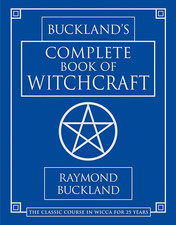
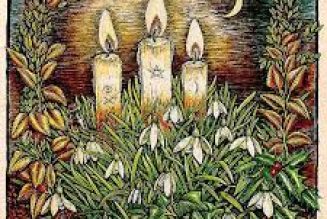
Buckland’s Complete Book of Witchcraft is a cornerstone resource for those beginning their journey into modern Wicca and witchcraft.
This comprehensive guide is celebrated for its clarity and structure, making it accessible to both newcomers and those seeking to deepen their practice.
The book introduces the foundations of witchcraft through detailed, step-by-step lessons. Each chapter is designed as a lesson, complete with exercises, illustrations, and photographs to help you visualize and practice what you learn. For example, you’ll find clear instructions on how to cast a circle, create sacred space, and perform basic rituals—essential skills for any practitioner.
Rituals are central to witchcraft, serving as both spiritual practice and a way to connect with the cycles of nature. Buckland’s book covers rituals for sabbats—the eight seasonal festivals marking the Wheel of the Year—as well as esbats, which are rituals held during the full moon. These ceremonies often include elements such as calling the quarters, invoking deities, and working with the four elements: earth, air, fire, and water. Beginners are encouraged to start simply, perhaps by observing the phases of the moon or celebrating the solstices and equinoxes with small, meaningful acts.
The text explores the beliefs and ethics of modern Pagan witchcraft, including the Wiccan Rede—“An it harm none, do what ye will”—and the concept of the Threefold Law, which teaches that the energy you put into the world returns to you threefold. Understanding these principles helps practitioners develop a respectful and responsible approach to magic and spiritual work.
History and tradition are woven throughout the book, offering context for modern practices. You’ll learn about the roots of witchcraft in ancient cultures, the evolution of Wicca in the 20th century, and the diversity of traditions that exist today, from Gardnerian and Alexandrian Wicca to eclectic and solitary paths. This historical perspective helps you appreciate the richness and adaptability of the craft.
Spellwork is thoroughly explained, with practical advice on crafting and casting spells for various purposes, such as protection, prosperity, love, and healing. The book emphasizes the importance of intention, timing, and ethical considerations. Beginners are guided to start with simple spells, like candle magic or charm bags, and to keep a journal to record their experiences and results.
Divination is another key aspect, with chapters on tarot, runes, pendulums, and scrying. These tools help practitioners gain insight, make decisions, and connect with their intuition. The book provides step-by-step instructions for basic readings and encourages regular practice to build confidence and skill.
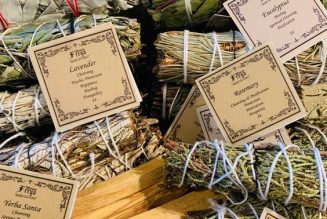
Herbalism and healing are explored in depth, with information on the magical and medicinal properties of common herbs, flowers, and resins. You’ll learn how to create herbal sachets, teas, and incense blends, as well as how to use plants for cleansing and protection. Safety and respect for nature are emphasized, reminding beginners to research plants thoroughly and harvest responsibly.
Channeling and dreamwork are introduced as ways to access deeper wisdom and spiritual guidance. Techniques for meditation, guided visualization, and dream journaling are provided, helping you develop your psychic abilities and connect with your subconscious mind. The book encourages you to pay attention to symbols, synchronicities, and intuitive nudges in your daily life.
The structure of covens and solitary practice is explained, allowing you to choose the path that best suits your personality and circumstances. Covens offer community, shared rituals, and mentorship, while solitary practice provides flexibility and personal autonomy. Practical advice is given for finding or forming a group, as well as for creating a fulfilling solitary practice at home.
Psychic development is supported through exercises designed to heighten awareness, intuition, and energy sensitivity. These include meditation, visualization, and working with tools like crystals and pendulums. The book encourages patience and regular practice, reminding beginners that psychic skills develop gradually over time.
Tools of the craft—such as the athame, wand, chalice, pentacle, and cauldron—are described in detail, along with their symbolic meanings and practical uses. You’ll also find guidance on creating your own tools, consecrating them, and using everyday objects if you’re on a budget or prefer a minimalist approach.
Meditation is presented as a foundational practice for grounding, centering, and connecting with spiritual energies. The book offers a variety of meditation techniques, from breathwork to guided journeys, and suggests incorporating meditation into your daily routine to enhance focus and well-being.
Ritual clothing is discussed as a way to mark sacred space and shift your mindset for magical work. Whether you choose to wear robes, special jewelry, or simply dedicate a comfortable outfit for rituals, the emphasis is on personal meaning and comfort rather than strict rules.
For beginners, Buckland’s Complete Book of Witchcraft offers not only knowledge but also encouragement to explore, experiment, and find your unique path. Keep a journal, start with simple practices, and remember that witchcraft is a lifelong journey of learning and self-discovery.