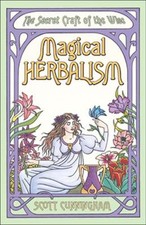
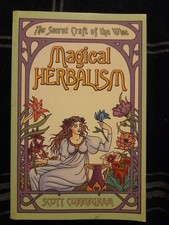
Natural magic is a branch of magical practice that draws upon the inherent energies and properties of the natural world. This tradition emphasizes working with elements such as plants, stones, water, and sunlight to create change, foster healing, and support spiritual growth. Among these, herbs hold a particularly important place due to their long history of use in both folk medicine and magical rites. For those seeking a comprehensive introduction to this subject, Scott Cunningham’s book, Magical Herbalism, is widely regarded as an essential resource. It provides a structured and accessible entry point for anyone interested in exploring the magical uses of herbs.
Cunningham’s book presents a complete system of herbal magic, beginning with foundational concepts such as the theory of magic and the significance of intention. It explains the basic tools you might use—like a mortar and pestle for grinding herbs, or colored threads for binding—and offers step-by-step guidance for a variety of practical techniques. For instance, if your goal is protection, you might select herbs traditionally associated with protective qualities, such as rosemary, rue, or bay leaves. By binding their stems together with red thread and hanging the bundle in your home or workspace, you create a protective charm. This method is rooted in ancient practices, with similar techniques documented as far back as Babylonian times. The book also features an extensive reference section, listing over 115 herbs along with their magical correspondences, so you can easily identify which plants are best suited for your specific intentions—whether for love, prosperity, healing, or protection.
For those interested in divination, or the art of seeking insight through symbolic means, Cunningham describes a simple yet effective method using herbs. Begin by choosing a small amount of dried patchouly, mugwort, or wormwood—herbs historically linked to psychic awareness and visionary work. Crumble the herb between your hands until it is finely ground, focusing on your question or intention as you do so. Place the ground herb in a shallow, square pan made of glass or ceramic, which helps to contain the energy and allows for clear observation of patterns. Light yellow candles around your workspace to enhance clarity and intuition. With your eyes closed, extend the index finger of your non-dominant hand and gently touch the center of the pan, moving your fingertip randomly through the herbs in various directions. When you feel ready, lift your finger, open your eyes, and study the shapes and lines formed in the herbs. These patterns can be interpreted as symbols, much like reading tea leaves, and may offer guidance or answers to your question. This technique is accessible to beginners and can be adapted to suit your personal style or tradition.
In summary, magical herbalism is a rich and rewarding path that connects practitioners to the rhythms and energies of the natural world. By learning about the properties of herbs and practicing techniques such as charm-making and divinatory readings, you can deepen your understanding of both magic and nature. Resources like Cunningham’s Magical Herbalism provide a solid foundation for further exploration, offering both practical advice and historical context to support your journey.