Odin, often called the “Master of Ecstasy,” is a central figure in Norse mythology. He is the chief of the Aesir gods and is associated with war, wisdom, magic, poetry, and the dead. Odin’s influence is said to reach across the Nine Worlds, touching the realms of gods, humans, and spirits. His character is complex and sometimes contradictory, which makes him one of the most intriguing deities in Norse tradition.
The name Odin comes from the Old Norse word Óðinn, which means “ecstasy, fury, inspiration.” He is known as both a seeker and a giver of wisdom, and he often acts outside the boundaries of conventional morality. Odin’s actions are usually motivated by a strong desire for knowledge and power, and he is willing to make significant sacrifices to achieve his aims. He values cunning and resourcefulness, and he sometimes uses deception to reach his goals.
As a god of war, Odin is believed to inspire battle frenzy and to favor elite warriors and rulers, especially those who reach ecstatic states, such as berserkers. He is less focused on justice or the reasons for conflict, and more interested in the chaos and intensity of battle. Odin’s chosen warriors are recognized for their bravery and their willingness to embrace the madness of war. These warriors are said to be rewarded with a place in Valhalla, Odin’s great hall for the honored dead.
Odin is also seen as a god of sovereignty, connected to both rulers and outlaws. He represents a cunning and inspired leader, which contrasts with gods like Tyr, who stand for law and justice. Odin’s leadership is marked by his ability to inspire both loyalty and fear, and he is often called upon by those seeking power or protection. His association with outlaws and outsiders shows his readiness to operate beyond the usual boundaries of society.
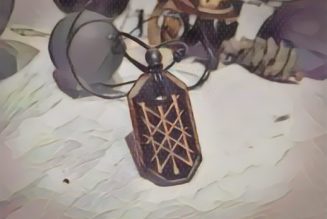
Odin’s pursuit of knowledge is legendary. He is said to have sacrificed one of his eyes for wisdom and to have hung on the world-tree Yggdrasil for nine days to gain the runes, which are symbols of magical power and knowledge. These sacrifices highlight Odin’s commitment to uncovering the secrets of the universe, regardless of the cost. The runes he obtained are not just letters, but powerful symbols connected to magic, fate, and the mysteries of existence.
Odin is considered a master of shamanism and magic. He is known for undertaking spirit journeys and is often accompanied by familiar spirits such as ravens and wolves. He practices seidr, a form of magic associated with both men and women, which sometimes led to criticism. Seidr allows Odin to see into the future, influence fate, and communicate with the spirits of the dead. His ravens, Huginn and Muninn, travel across the worlds to bring him news, while his wolves, Geri and Freki, are his loyal companions.
As a god of poetry, Odin is said to have stolen the mead of poetry from the giants and to grant poetic inspiration to those he chooses. The mead of poetry is a magical drink that gives the gift of eloquence and creativity. Odin’s acquisition of it demonstrates his cunning and determination. He shares this gift with poets, skalds, and storytellers, inspiring them to create works of beauty and power.
Odin is closely linked to the dead, presiding over Valhalla, where he receives half of those slain in battle. He is also associated with necromancy and was sometimes honored with human sacrifices. Valhalla is described as a place of honor and glory, where fallen warriors prepare for the final battle at the end of the world. Odin’s connection to the dead is both fearsome and awe-inspiring, and he is often remembered in rituals of mourning and remembrance.
Known as “Allfather,” Odin is considered the ancestor of many royal lines and is seen as a vital force behind life and creation in Norse cosmology. He is the father of many gods, including Thor and Baldr, and his influence extends to all aspects of life and death. Odin’s role as creator and ancestor is central to the Norse understanding of the world’s origins.
Odin’s presence is often felt in moments of inspiration, ecstasy, and decisive action, making him the chieftain of the gods and a symbol of vitality and the will to power. He embodies the extremes of existence, from the heights of inspiration to the depths of despair. Many of his followers seek to emulate his courage, wisdom, and openness to the unknown.
In Norse sagas and myths, Odin appears in many forms: as a wanderer, a king, a shaman, and a trickster. He is a shape-shifter, able to change his form at will, and he often travels in disguise to test the hearts and minds of mortals. Odin’s many names reflect his diverse roles and qualities, and each name tells something about his character and deeds.
Odin’s relationships with other gods are complex and sometimes tense. He is both a father and a rival, a mentor and a challenger. His interactions with gods such as Loki, Frigg, and Freyja reveal the intricate web of alliances and conflicts in the Norse pantheon. Other gods often seek Odin’s wisdom, but his motives are not always clear, and his actions can be unpredictable.
In art and literature, Odin is usually shown as an old man with a long beard, wearing a wide-brimmed hat and a cloak. He carries a spear called Gungnir, which never misses its mark, and rides an eight-legged horse named Sleipnir. These symbols represent Odin’s power, authority, and connection to the supernatural. His missing eye is a reminder of the price he paid for wisdom.
Odin’s influence goes beyond the world of the gods. He is seen as a patron of kings, poets, warriors, and magicians. His teachings highlight the importance of self-sacrifice, courage, and the pursuit of knowledge. Followers of Odin are encouraged to find their own path, to question authority, and to explore the mysteries of life and death.
The cult of Odin was widespread during the Viking Age, and his worship took many forms. He was honored with offerings of food, drink, and sometimes even human lives. Sacred groves, stones, and temples were dedicated to him, and his symbols were carved on weapons, jewelry, and runestones. Odin’s presence was called upon in times of war, crisis, and celebration.
Odin’s legacy continues in modern culture, where he still inspires artists, writers, and seekers of wisdom. His stories have been retold in many books, films, and television shows, and his image has become a symbol of mystery, power, and transformation. Odin’s lasting appeal comes from his complexity and his willingness to embrace both light and darkness.
In summary, Odin is a god of paradoxes: a seeker of wisdom who accepts madness, a warlord who values poetry, and a ruler who walks among outcasts. His story suggests that true power may come from the willingness to sacrifice, to question, and to explore the unknown. Odin’s journey is one of transformation, and his example invites others to seek their own path with courage and curiosity.
For those interested in Odin as a god of war, wisdom, magic, or poetry, his presence can offer guidance and inspiration to anyone who wishes to explore the path of the seeker. In the ever-changing world of Norse mythology, Odin stands as a symbol of possibility, encouraging exploration of life’s mysteries and the pursuit of inspiration.