Dionysos, the enigmatic god of wine, ecstasy, and transformation, stands as one of the most complex and captivating figures in Greek mythology. Revered not only for his association with the vine and the intoxicating power of wine, Dionysos embodies the dualities of joy and madness, order and chaos, civilization and wildness. His presence in myth and ritual reflects the profound human yearning for liberation, transcendence, and connection with the primal forces of nature.
The sacred animals of Dionysos—panther, tiger, bull, and serpent—each symbolize different aspects of his divine nature. The panther and tiger evoke his untamed, ecstatic energy, while the bull represents fertility and strength. The serpent, often seen as a symbol of rebirth and transformation, further underscores Dionysos’ role as a god of change and renewal. Artistic depictions frequently show him riding a panther or traveling in a chariot drawn by wild beasts, emphasizing his dominion over the wild and the instinctual.
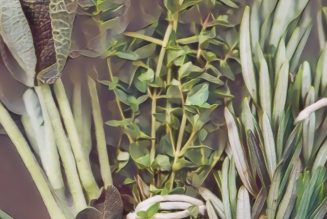
Dionysos is intimately connected to a variety of plants, most notably the grapevine, which is central to his identity as the god of wine. Ivy, bindweed, and the pine tree are also sacred to him, each carrying symbolic meanings of vitality, immortality, and exuberant growth. The grapevine, with its twisting tendrils and intoxicating fruit, represents both the pleasures and the dangers of excess, while ivy’s evergreen nature hints at eternal life.
Among his most distinctive attributes is the thyrsos—a staff tipped with a pine cone and entwined with ivy or vine leaves. This staff is not merely a symbol of authority, but also a tool of ritual and ecstasy, wielded by Dionysos and his followers during frenzied celebrations. Other symbols include the drinking-cup, grape clusters, and a wreath of ivy-leaves, all of which evoke the themes of festivity, abundance, and the blurring of boundaries between the mundane and the divine.
The myth of Dionysos’ birth is both dramatic and poignant. Born from the union of Zeus, king of the gods, and the mortal princess Semele, Dionysos’ life began in tragedy. When Semele perished after beholding Zeus in his divine form, Zeus rescued the unborn child by sewing him into his own thigh, later giving birth to Dionysos himself. This extraordinary birth, both mortal and divine, set Dionysos apart as a god who bridges worlds. To shield him from Hera’s jealousy, Dionysos was hidden and raised by nymphs on the secluded slopes of Mount Nysa, where he learned the secrets of nature and magic.
As Dionysos matured, he embarked on a journey across the ancient world, spreading the cultivation of the vine and the revelry of wine. His travels took him through Egypt, Asia, and India, where he encountered both resistance and wonder. Along the way, he faced numerous trials, including bouts of madness inflicted by Hera, and was often accompanied by a retinue of satyrs, maenads, and other wild spirits. These adventures highlight Dionysos’ role as a bringer of transformation, capable of dissolving boundaries and inspiring both joy and chaos wherever he went.
Beyond his association with wine, Dionysos is revered as a symbol of nature’s wild, creative force. He is the bringer of joy, the disperser of sorrow, and a god who offers both healing and prophecy. In the arts, Dionysos inspires creativity, music, and dance, encouraging his followers to embrace the fullness of life and the mysteries that lie beyond ordinary perception. His dual nature—gentle and violent, nurturing and destructive—reflects the complexities of the human experience and the cycles of nature itself.
The worship of Dionysos was marked by ecstatic and orgiastic rituals, often held in forests or on mountainsides, far from the constraints of urban life. These celebrations, known as the Dionysia, featured music, dance, and dramatic performances, allowing participants to transcend their everyday identities and commune with the divine. His followers, including the frenzied maenads and mischievous satyrs, embodied the spirit of wild abandon and spiritual liberation. Through these rites, Dionysos offered a path to catharsis, renewal, and a deeper understanding of the mysteries of existence.
In the broader context of Greek religion and culture, Dionysos stands as a powerful symbol of liberation, transformation, and the eternal cycle of life, death, and rebirth. His myths and rituals invite reflection on the balance between order and chaos, the sacred and the profane, and the enduring human quest for meaning and transcendence. Even today, Dionysos remains a potent figure, inspiring those who seek to explore the boundaries of consciousness and the transformative power of nature and art.