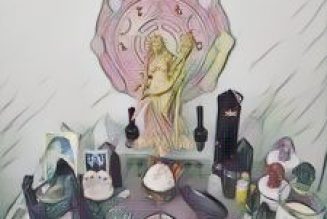
Throughout history, people from many cultures have tried to understand and connect with the Divine. Civilizations have created many ways to represent the universal forces that influence our lives and the world. These representations, often called god forms, are symbols or figures that stand for certain aspects of the Divine. For example, the ancient Greeks saw Zeus as the king of the gods, representing authority and the sky, while the Egyptians honored Isis as a goddess of magic and motherhood. In Hinduism, deities like Shiva and Parvati show the balance between destruction and creation. God forms help people relate to and access the powerful, sometimes mysterious energies of the universe.
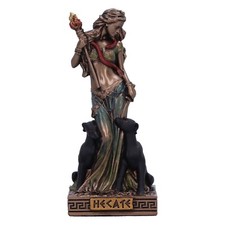
Using god forms is not only about worship. It is also a way to understand and work with the natural and spiritual forces they represent. By focusing on a specific deity or symbol, practitioners can connect with the qualities or energies that deity stands for. For example, someone looking for wisdom might focus on Athena, while someone seeking transformation might turn to Hecate. These forms are both natural, reflecting real forces in the world, and shaped by human culture, language, and imagination.
Many witchcraft traditions include the Law of Polarity. This principle teaches that everything exists in pairs or opposites, and that balance is important. In terms of the Divine, the Law of Polarity is often described as: All Gods are one God. All Goddesses are one Goddess. There is one Initiator. This means that, even though there are many names and forms for the Divine, they are all expressions of the same basic forces. The God and the Goddess, sometimes called the Great Mother and the All-Father, represent the two main poles of creation—feminine and masculine, receptive and active, nurturing and protective.
The Law of Polarity is important in witchcraft because it encourages people to look beyond surface differences and see the unity behind all spiritual paths. For example, the Celtic goddess Brigid and the Roman goddess Vesta both stand for the hearth and home, even though they come from different cultures. By understanding that these deities express similar energies, witches can use a variety of traditions and symbols to enrich their practice.
The variety of god forms is one reason why there are so many different traditions in witchcraft. Each tradition may focus on deities from a certain culture or time, using the names and stories that are most meaningful to its members. For example, some traditions honor Norse gods like Odin and Freyja, while others work with the Greek pantheon or local spirits. These choices reflect the values, history, and spiritual needs of each community.
It can be helpful to remember that, even if the names and images are different, the main ideas are often the same. In many traditions, practitioners are encouraged to respect the names and forms used by others, even if they are unfamiliar or less meaningful personally. This respect comes from the understanding that all deities are valid expressions of the Divine, and that every tradition offers a unique view of the mysteries of existence.
As you begin exploring witchcraft, you might feel drawn to certain god forms or traditions. It can be useful to spend time learning about the stories, symbols, and rituals that interest you. Your path is personal, and the Divine can be found in many forms, across all cultures and times. By appreciating both the diversity and the unity of the Divine, you may find a deeper and more meaningful connection with the world and with your own spiritual self.