Selenite, satin spar, desert rose, and gypsum flower are all crystal habit varieties of the mineral gypsum, a mineral that has fascinated humans for thousands of years. Gypsum is one of the most common sulfate minerals found on Earth, and its presence has been recorded in sedimentary environments, evaporite deposits, and even volcanic regions.
Each of these forms, including selenite and alabaster, is composed of calcium sulfate dihydrate, meaning the mineral contains two molecules of water for every molecule of calcium sulfate. Its chemical formula is CaSO₄·2H₂O. This water content is crucial, as it gives gypsum its characteristic softness and flexibility.
Despite its name, selenite does not contain significant selenium. The name is derived from the Greek word “selḗnē,” meaning “Moon,” a reference to the mineral’s luminous, moon-like appearance. Selenite’s ethereal glow has inspired myths and legends throughout history, and it has often been associated with lunar deities and the cycles of the moon.
Some of the largest crystals ever discovered are selenite. The most famous example is found in the Cave of the Crystals, located in the Naica Mine in Chihuahua, Mexico. Here, selenite crystals reach astonishing sizes—one specimen measures 12 meters in length and weighs an estimated 55 tons. These extraordinary formations developed over hundreds of thousands of years in a unique environment of high temperature and mineral-rich water.
History and Etymology.
The term “selenite” is often used interchangeably with gypsum, but since the 15th century, it has referred specifically to the transparent, crystalline variety. The word selenite comes from Middle English, through Latin “selenites,” and ultimately from the Greek “selēnítēs líthos,” meaning “moon stone.” This name was chosen because ancient observers believed the mineral’s appearance changed with the phases of the Moon, reflecting its mystical connection to lunar cycles.
Gypsum itself has a long history of use. In ancient Egypt, it was used as a building material and for making plaster, known as “plaster of Paris.” Alabaster, a fine-grained variety of gypsum, was carved into statues, vessels, and decorative objects by cultures across the Mediterranean and Near East. Selenite sheets were sometimes used as window panes in ancient Rome, prized for their translucency.
Distinguishing Characteristics.
Crystalline gypsum is renowned for its softness, with a hardness of 2 on the Mohs scale. It is so soft that it can be scratched with a fingernail. Gypsum crystals exhibit three unequal cleavages, which means they break along three distinct planes. This property, along with its pearly luster and transparency, makes selenite especially attractive to collectors and practitioners of crystal work.
Other notable features include its crystal habits—ranging from tabular and prismatic to fibrous and rosette-shaped—its easy fusibility with loss of water, and its solubility in hot, dilute hydrochloric acid. When heated, gypsum loses its water content and transforms into anhydrite, a related mineral.
Varieties and Their Unique Qualities.
Although these forms are sometimes grouped together as “selenite,” each crystalline variety of gypsum has unique characteristics and visual appeal. Here are some general descriptions:
Selenite is most often transparent and colorless, with a glassy or pearly sheen. If it appears opaque or colored, this is usually due to the presence of other minerals, sometimes forming druse—a coating of tiny crystals on the surface.
Satin spar is typically silky and fibrous, and it can display a chatoyant, or “cat’s eye,” effect. Satin spar may show subtle coloration, often white or pale orange. The name satin spar is also used for fibrous calcite, but calcite can be distinguished from gypsum by its greater hardness, rhombohedral cleavage, and its vigorous reaction with dilute hydrochloric acid.
Desert rose refers to rosette-shaped gypsum crystals with an outer layer of sand or sand inclusions, usually in the colors of the surrounding desert. These formations are found in arid regions around the world, including the Sahara and the American Southwest. The term can also apply to barite desert roses, which are harder and denser than their gypsum counterparts.
Gypsum flowers are curved, fibrous rosettes of gypsum crystals that form in solution caves. Their delicate, petal-like structures are created by the slow precipitation of minerals from water, resulting in intricate and beautiful natural sculptures.
Scientific and Cultural Significance.
Gypsum and its varieties have played important roles in both science and culture. In geology, gypsum deposits are indicators of ancient evaporative environments, helping scientists reconstruct past climates. In industry, gypsum is essential for making plaster, drywall, and cement. Selenite and satin spar are popular in metaphysical practices, where they are believed to promote clarity, peace, and spiritual growth.
In folklore and spiritual traditions, selenite is often regarded as a stone of purity and protection. It is said to cleanse negative energy, enhance meditation, and connect practitioners to higher realms. Its luminous quality has made it a symbol of light and transformation in many cultures.
Whether admired for their beauty, studied for their scientific value, or used in spiritual practice, selenite and its gypsum relatives continue to inspire wonder and curiosity across the world.






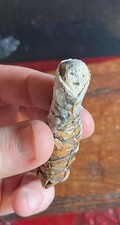

Selenite, satin spar, desert rose, gypsum flower are crystal habit varieties of the mineral gypsum.
All varieties of gypsum, including selenite and alabaster, are composed of calcium sulfate dihydrate (meaning that it has two molecules of water), with the chemical formula CaSO4·2H2O.
Selenite contains no significant selenium – The similar names both derive from Greek selḗnē (σελήνη ‘Moon’)
Some of the largest crystals ever found are of selenite, the largest specimen found in the Naica Mine’s Cave of the Crystals being 12 metres long and weighing 55 tons.
History and etymology
“Selenite” is mostly synonymous with gypsum, but from the 15th century, it has named the transparent variety that occurs in crystals or crystalline masses.
The name derives through Middle English selenite from Latin selenites, ultimately from Greek selēnítēs líthos (σεληνίτης λίθος, lit. ’moon stone’).
It got this name because people historically believed the mineral waxed and waned with the cycles of the Moon.
Distinguishing characteristics
The main distinguishing characteristics of crystalline gypsum are its softness (hardness 2 on Mohs scale, soft enough to scratch with a fingernail) and its three unequal cleavages.
Other distinguishing characteristics include its crystal habits, pearly lustre, easy fusibility with loss of water, and solubility in hot dilute hydrochloric acid.
Varieties
Though sometimes grouped together as “selenite”, the four crystalline varieties have differences. General identifying descriptions of the related crystalline varieties are:
Selenite
Most often transparent and colorless
If selenite crystals show opacity or color, it is caused by the presence of other minerals, sometimes in druse[
Satin spar
Most often silky and fibrous;[8] chatoyant; can exhibit some coloration
The satin spar name has also been applied to fibrous calcite (a related calcium mineral), which can be distinguished from gypsum by its greater hardness (Mohs 3), rhombohedral cleavage, and reaction with dilute hydrochloric acid.
Desert rose
See also: Desert rose (crystal)
Rosette-shaped gypsum with outer druse of sand or with sand throughout – most often sand colored (in all the colors that sand can exhibit)[
The desert rose name can also be applied to barite desert roses (another related sulfate mineral) – barite is a harder mineral with higher density
Gypsum flower
Gypsum flowers are curved rosettes of fibrous gypsum crystals found in solution caves.