Opal is a fascinating gemstone, well known for its vibrant play-of-color and its long history in many cultures. From a scientific perspective, opal is a hydrated, amorphous form of silica, with the formula SiO₂·nH₂O. Its water content usually ranges from 6 to 10 percent, but it can be as low as 3 percent or as high as 21 percent by weight.
Unlike minerals such as quartz, opal does not have a regular crystal structure. Because of this, it is classified as a mineraloid. This lack of structure is what gives opal its unique optical effects and its ability to diffract light.
Opal forms at relatively low temperatures. It develops when water rich in silica seeps into cracks and spaces in rocks. As the water evaporates, it leaves behind tiny spheres of silica. These spheres can be found in rocks like limonite, sandstone, rhyolite, marl, and basalt. The way these spheres are arranged and their size are what create the play-of-color seen in precious opal.
Throughout history, people have valued opal for both its beauty and its mystical qualities. Opal is the birthstone for October and is also linked to the 14th wedding anniversary. The word “opal” likely comes from the Sanskrit “upala,” meaning “jewel,” which later became the Greek “opállios,” meaning “to see a change in color.”
There are two main types of opal: precious opal and common opal. Precious opal is known for its play-of-color, which is the appearance of flashes of color when the stone is moved under light. This effect happens because of the way light interacts with the orderly silica spheres inside the stone.
Common opal, on the other hand, does not show play-of-color. It is usually opaque or translucent and comes in many pastel shades. The internal structure of precious opal, with its uniform spheres, is what causes the brilliant flashes of color that make it so desirable.
Opal can be transparent, translucent, or opaque. Its background color can be white, black, or almost any color. Black opal, which has a dark background and bright play-of-color, is the rarest and most valuable type. White, gray, and green opals are more common and are often used in jewelry and decorative items.
Opal’s appeal goes beyond its appearance. In ancient Rome, it was seen as a symbol of hope and purity. During the Middle Ages, people believed it brought good luck and held the virtues of all colored stones. In some traditions, opal was thought to grant invisibility or enhance psychic abilities.
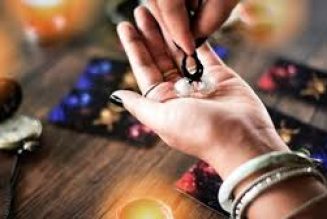
Today, opal is valued not only as a gemstone but also in metaphysical practices. Some believe it can inspire creativity, boost imagination, and support emotional healing. Practitioners may use opal in meditation or rituals, thinking it can amplify intentions and help connect with higher consciousness.
Most of the world’s precious opal comes from Australia, which produces over 90 percent of the supply. Other important sources include Ethiopia, Mexico, Brazil, and the United States. Each region produces opals with unique features, such as the fiery reds of Mexican fire opal or the vivid blues and greens of Australian black opal.
In summary, opal is a gemstone with remarkable variety and significance. Its special structure, beautiful play-of-color, and rich cultural history have made it a symbol of beauty, transformation, and inspiration for centuries. Whether worn as jewelry, used in spiritual practice, or simply admired, opal continues to captivate people around the world.