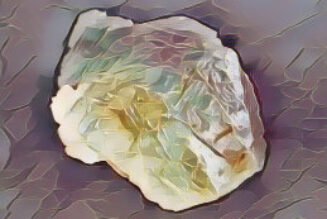
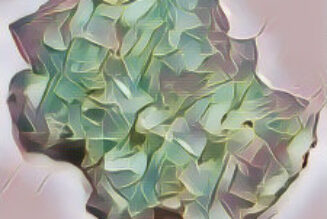
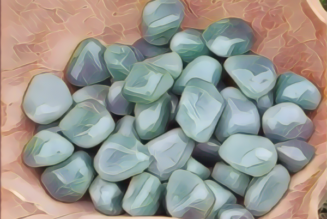
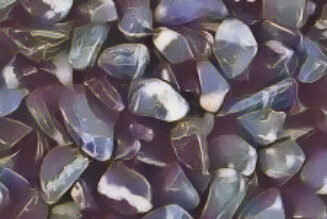
Labradorite is a type of feldspar crystal, most often found in igneous rocks. While it usually appears gray, it is well known for its unique optical effect called labradorescence, or “flash.” When light hits the stone, it can reveal vivid colors such as blue, green, and gold. This effect is created by the way the mineral’s internal structure bends and reflects light.
The stone was first discovered in the late 18th century on the Isle of Paul, near Nain in Labrador, Canada, which is how it got its name. Labradorite can also be found in places like Finland, Madagascar, Russia, and the United States. It is part of the plagioclase series within the feldspar group and is valued both as a gemstone and for decorative purposes.
In metaphysical practices, labradorite is often seen as a stone of transformation and protection. Many believe it can enhance intuition, psychic abilities, and spiritual awareness. Because of these qualities, it is a popular choice among those who practice witchcraft or energy work. Some people use labradorite to help shield their aura, clear away negative energy, and support personal growth during times of change.
Labradorite is commonly used in witchcraft by placing it on altars to strengthen magical intentions, carrying it as a protective talisman, or meditating with it to reach deeper states of consciousness. Some also include labradorite in rituals for dreamwork, divination, or to help connect the physical and spiritual worlds.
Throughout history, labradorite has been admired for its mystical appearance. According to Inuit legend, the Northern Lights were once trapped inside the stone, and a warrior released most of them with his spear, leaving some light behind to shimmer within the mineral. This story highlights the stone’s lasting connection to magic, transformation, and the unseen.
Whether appreciated for its beauty, its energetic qualities, or its symbolism, labradorite continues to be valued in both geological and spiritual contexts.