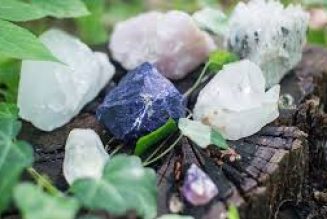
Bloodstone is a semiprecious stone that has been valued for its magical and healing qualities for centuries, across many cultures. In witchcraft and spiritual practices, bloodstone is often chosen for its reputation in channeling energy, enhancing vitality, and supporting both physical and spiritual well-being.
The most familiar form of bloodstone is green jasper with vivid red spots, which are thought to resemble drops of blood. This unique appearance has made it popular among practitioners, who use it in rituals, amulets, and charms to encourage protection, courage, and strength.
Bloodstone is sometimes described as an enabling stone. Many believe it can help manifest desires and intentions. It is often included in spellwork or meditation to strengthen willpower, attract positive outcomes, and support the achievement of personal goals.
Traditionally, bloodstone has served as a protective talisman. It is thought to help maintain health, guard against harmful spirits such as night demons—including figures like the lamia—and protect the bearer from deception or ill intent. It is also believed to bring calm during emotional challenges.
In divination, bloodstone is sometimes used to gain insight into natural events, such as storms, earthquakes, or floods. Its connection to the earth and the elements is said to enhance intuition and offer warnings of possible danger.
Historically, powdered bloodstone has been used in medicinal remedies. For example, it was sometimes used by women to support pregnancy and lactation, reflecting the stone’s association with vitality, fertility, and nurturing.
The term “bloodstone” may also refer to other red or reddish stones, such as red coral, red marble, red jasper, carnelian, red agate, and heliotrope. While each of these stones has its own properties, they are all connected by their vibrant color and their symbolic link to blood, life force, and protection.
In ancient Egypt, red jasper—often considered a type of bloodstone—was closely associated with the goddess Isis. It was believed to represent her life-giving blood and was used in amulets and burial rites to seek her protection and regenerative powers.
The ancient Greeks believed that bloodstones came from the heavens. They thought these stones could stop both internal and external bleeding, and they were often used in healing rituals and as protective charms for warriors.
Throughout Europe, especially in the Mediterranean, bloodstones have long been regarded as powerful protectors against the evil eye. They were commonly worn as jewelry or carried as talismans to deflect negative energies and support the well-being of the wearer—a tradition that continues in some cultures today.