Bannocks and Caudle are important foods in Scottish tradition, especially during the Beltane festival. Bannocks are simple flatbreads that have been made for generations to celebrate the changing seasons. They represent abundance, hospitality, and the agricultural cycle.
Caudle is a warm, spiced drink that is often served with bannocks at Beltane gatherings. Traditionally, these foods are shared with family and community, helping to strengthen connections and mark the arrival of summer through ritual and feasting.
The recipe that follows is adapted from Tairis, a Gaelic polytheistic resource, and offers insight into this lasting tradition.
Ingredients:
- 1/2 pint, or 1 cup, of milk
- 1 tablespoon oatmeal
- 2 beaten eggs
- 1 teaspoon sugar or honey
- A pinch of salt
- Nutmeg or mixed spice, to taste
- Whisky, ale, or white wine, if desired Directions:
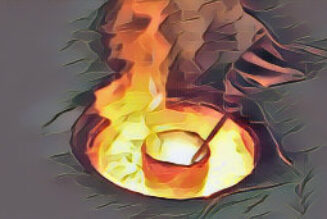
Step one: Begin by heating the milk in a pan. Add the oatmeal and a pinch of salt. Stir the mixture well and bring it to a gentle boil. Once boiling, reduce the heat and let it simmer until it starts to thicken.
Step two: Add the beaten eggs, sugar or honey, and your chosen spices. Continue to simmer for at least five minutes, stirring often to prevent the mixture from sticking or burning.
Step three: Remove the pan from the heat. If you wish, add whisky, ale, or white wine to taste. For a non-alcoholic version, you can use apple juice or non-alcoholic cider instead, or simply leave this step out.
Step four: Serve the caudle immediately. It can be enjoyed on its own as a warming drink, or poured over freshly baked bannocks or a simple dessert.
If you need to substitute ingredients, plant-based milk and egg alternatives can be used. Rolled oats may replace oatmeal for a different texture, and you can add spices such as cinnamon or cardamom for extra flavor.
Bannocks and Caudle are more than just recipes; they connect people to Scotland’s agricultural heritage and sense of community. Sharing these dishes at Beltane is a way to honor the cycles of nature and the value of gathering together.
Whether you enjoy these foods with others or in quiet reflection, preparing and sharing them is an invitation to connect with the rhythms of the land and the enduring traditions of Scottish culture.