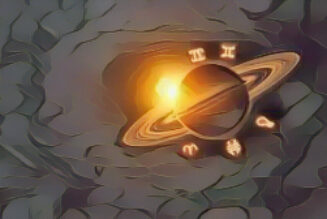
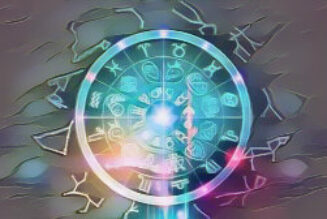
On February 5th, 1962, a rare and significant event took place in the sky. On this day, all seven classical planets known to ancient astrologers—Mars, Saturn, the Sun, the Moon, Mercury, Venus, and Jupiter—aligned together in the zodiac sign of Aquarius. Events like this, called planetary conjunctions or grand alignments, are extremely uncommon and only happen a few times in many centuries.
Throughout history, astrologers and those interested in mystical traditions have paid close attention to such alignments. In Western astrology, the gathering of these planets in Aquarius was considered especially meaningful. Aquarius is often linked to ideas like innovation, humanitarianism, and collective progress. Because of this, the alignment was seen as a symbol of hope for a new era—one that could bring unity, enlightenment, and the breaking down of old barriers.
At the time, some astrologers suggested that this alignment might mark the birth of an important individual, someone who could help advance the ideals of what is known as the Age of Aquarius. This idea, which became popular in both occult circles and mainstream culture, describes a period focused on spiritual growth, social harmony, and a stronger sense of global community.
In modern witchcraft and magical practices, planetary alignments like this are often seen as powerful opportunities for rituals and setting intentions. Practitioners may use these moments to work on personal transformation, healing for the community, or starting new projects. The 1962 alignment, with its focus on Aquarius, inspired many people to think about their role in the world and how their spiritual journey could help others.
While the true effects of these cosmic events are open to interpretation, their lasting appeal shows our ongoing desire to find meaning and connect with the universe. Events like these continue to inspire those who seek wisdom, unity, and a deeper understanding of their place in the world.