When people hear the word “horoscope,” they often think of short predictions found in magazines or online. In reality, a true horoscope is much more detailed. It is a chart—sometimes called a natal or birth chart—that maps the positions of the sun, moon, planets, and other celestial bodies at the exact time and place of a person’s birth. This chart is unique for each individual. The daily or weekly horoscopes you might see are simplified versions. They use only your sun sign and the current positions of the planets, so they provide general advice rather than a personalized reading.
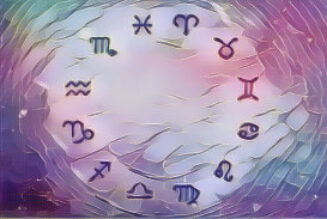
To understand astrology more clearly, it is helpful to know that there are two main types of zodiacs. The first is the Sidereal Zodiac, which is based on the actual constellations visible in the night sky. This system is still used by many astrologers in India and other parts of the East. The second is the Tropical Zodiac, which is more common in Western astrology. Instead of focusing on the stars, the Tropical Zodiac is based on the changing seasons and the sun’s path through the sky during the year.
The Tropical Zodiac divides the sun’s yearly path into twelve equal sections, each thirty degrees wide. These sections are named after the same constellations as the Sidereal Zodiac. However, because of a slow shift in the Earth’s axis—known as the precession of the equinoxes—the signs in the Tropical Zodiac no longer match up exactly with the constellations in the sky. The Tropical Zodiac always begins at the spring equinox, when day and night are equal and the sun appears to enter Aries. Due to precession, this point now aligns with the constellation Pisces, and over time, it will move into Aquarius. This gradual shift is called the Great Year, a cycle that takes about 25,800 years to complete.
The Great Year is significant in astrology because it marks long cycles of change. Each of the twelve astrological ages lasts about 2,150 years. Many believe that each age reflects the qualities of its zodiac sign. For example, the Age of Aries, which began around 2000 BCE, was a period known for warrior cultures and the development of new iron tools. The Age of Pisces, which followed, is associated with spirituality, compassion, and the rise of major religions such as Christianity and Islam. Author Vera W. Reid, in her book “Towards Aquarius,” describes how these ages can be seen in world history, with each era showing the traits of its sign.
Currently, we are transitioning from the Age of Pisces into the Age of Aquarius. This shift is often used to explain the significant changes happening in society, politics, and culture today. The end of an age is usually marked by the decline of old traditions and institutions. At the same time, new ideas—such as innovation, humanitarian values, and cooperation—are becoming more important, which are qualities linked to Aquarius. Many astrologers and occultists suggest that the Age of Aquarius will eventually bring a more enlightened and connected world, while the Piscean Age is drawing to a close.
In summary, astrology is a complex system that blends astronomy and symbolism. By understanding the difference between the Sidereal and Tropical Zodiacs, the concept of the Great Year, and the meaning of the astrological ages, it becomes easier to see how horoscopes are created and how they reflect cycles of change throughout human history.