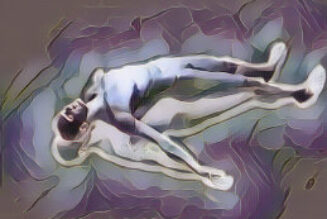
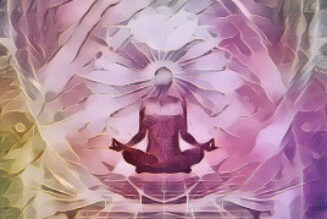
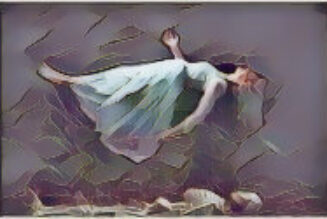
Astral travel, also called astral projection, is a practice that has interested spiritual seekers, mystics, and occultists for centuries. The main reason people pursue astral travel is that it allows access to experiences and realms beyond the physical world. Through astral travel, it is possible to explore dimensions outside ordinary perception and gain insights that are not available in everyday life. For example, some describe visiting the Akashic Records—a metaphysical library believed to hold the history of every soul—or exploring landscapes shaped by collective consciousness and archetypal energies.
Astral travel can also lead to encounters with a variety of entities. Depending on the realm, you might meet other astral travelers, ancestral spirits, guides, angels, or deities. These interactions can be meaningful, offering guidance, healing, or learning opportunities that are difficult to find in the physical world. Some practitioners report receiving messages or teachings from spiritual beings, while others describe participating in communal rituals or gatherings on the astral plane. These experiences can broaden your understanding of reality and deepen your spiritual practice.
If you are interested in trying astral travel, there are many techniques available, each with its own approach. Here, I will outline a foundational method that is often recommended for beginners. This basic technique helps you develop the focus, relaxation, and energetic awareness needed for more advanced practices. Building these skills first makes it easier to explore more complex methods later on.
The first and most important step is to address any fear you may have about astral travel. Fear can be a major obstacle and may prevent successful projection. It is helpful to remember that while the astral realm may feel unfamiliar, it is not inherently dangerous. If you feel anxious, you can use protective measures to create a sense of safety. For example, you might hold a grounding stone such as black tourmaline or hematite, burn protective incense like frankincense or sandalwood, or create a circle of salt or light around your space. These rituals can help you feel more secure and confident as you begin.
When starting out, it is important to find a quiet and still environment. Distractions—such as household noises, pets, or the movements of others—can interrupt your focus and make progress difficult. As you gain experience, you may become better at maintaining concentration even in less ideal conditions. However, at first, try to create a calm and undisturbed setting. This could mean practicing late at night, using earplugs, or setting boundaries with those you live with.
Once you have prepared yourself and your space, you can try a simple technique to begin astral travel. Find a dark, quiet room where you will not be disturbed. Place a candle so that the flame is at eye level when you are seated comfortably. Take several deep, slow breaths to relax your body and mind. Light the candle and focus your gaze on the base of the flame. You will see a small gap between the flame and the top of the candle. Let your eyes rest gently on this gap—do not strain or force your vision. Simply observe, allowing your awareness to settle into the space between.
As you continue to gaze, you may notice a subtle feeling of detachment, as if you are being gently pulled away from your physical body. This is the initial stage of your astral body, or “ka,” separating from your physical form. It is important to stay calm and open during this process. If you do not succeed on your first attempt, do not be discouraged. Astral travel is a skill that improves with patience and practice. Over time, it will become easier to enter this state and explore beyond the physical realm. Each experience is unique, and every attempt brings you closer to mastering this practice.