The History of Amulets.
Amulets are objects believed to possess magical properties, often used to protect against misfortune, illness, or negative influences.
Across cultures and throughout history, people have turned to amulets to address fundamental needs—such as health, fertility, success, and good fortune.
In ancient times, these needs were thought to be influenced by unseen forces of good and evil. While prayers, sacrifices, and offerings were used to attract positive spirits, amulets served as a safeguard against harmful ones.
The earliest amulets were typically natural objects, chosen for their unusual shapes or colors, which were thought to hold inherent magical qualities.
As societies developed, the forms and uses of amulets became more varied.
People began crafting amulets into animal figures, symbols, rings, seals, and plaques, often enhancing them with inscriptions or spells to increase their power.
The word “amulet” is believed to come from the Latin “amuletum” or the Old Latin “amoletum,” both meaning “means of defense.”
The Roman naturalist Pliny identified three main types of amulets: those for protection against adversity, those for medical or preventive purposes, and substances used in medicine.
Within these categories, there are many specific types, as most amulets are designed for particular purposes rather than being universally effective.
Amulets that include inscriptions are sometimes referred to as charms.
Typically, an amulet is worn on the body, often as a necklace, but some are placed in tombs, homes, or buildings for protection.
Many ancient civilizations, including the Egyptians, Assyrians, Babylonians, Arabs, and Hebrews, placed significant value on amulets.
For example, the Egyptians used amulets extensively. The frog symbolized fertility, the ankh represented eternal life, the udjat or Eye of Horus was for health and protection, and the scarab beetle was associated with resurrection and defense against harmful magic.
Some Egyptian amulets were quite large. One notable example is a stone beetle at Karnak, now in the British Museum, which measures five feet long, three feet wide, and weighs over two tons.
The Assyrians and Babylonians used cylinder seals made from precious and semi-precious stones, each believed to have its own magical properties.
Animal-shaped amulets were also common, such as the ram for virility and the bull for both virility and strength.
In Arab traditions, people sometimes carried dust from tombs in small sacks for protection, or wore pieces of paper inscribed with prayers, spells, or divine attributes like “the compassionate” and “the forgiver.”
Hebrews often wore crescent moons to ward off the evil eye and attached bells to their clothing to deter evil spirits.
On the west coast of Africa, amulets known as fetishes were used. These typically consisted of a pouch or box containing items such as plants, animal parts, or other materials, believed to house a spirit that could assist the wearer.
Two symbols that appear frequently in amuletic traditions are eyes and phallic shapes. Eyes are thought to protect against evil and are found on tombs, walls, utensils, and jewelry. Phallic symbols, often represented by horns or hands, are used to guard against the evil eye.
The names of deities, magical words, and numbers have also been used for protection since ancient times. These elements were especially popular from the Renaissance through the early 19th century, when grimoires—books of magical instruction—were widely produced.
In magical practice, invoking the name of a deity is believed to access divine power. For example, in the Old Testament, the personal name of God, known as the tetragrammaton (YHWH or Yahweh), was often inscribed on amulets and talismans for protection and spiritual work.
Some magical words and numbers are arranged in patterns, such as the well-known “Sator Square.” Although its exact meaning remains unclear, it was used in ancient Rome as an amulet against sorcery, illness, and other misfortunes.
Sacred texts like the Koran, Torah, and Bible are also considered protective. Carrying small pieces of parchment with scripture, often in leather pouches or silver boxes, is a common practice in various religions.
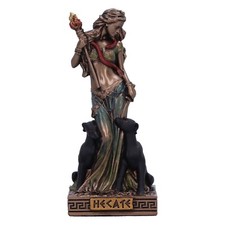
Ancient pagans wore figurines of their gods as amulets, a tradition that was later incorporated into Catholic practices.
In Witchcraft, the silver pentacle is regarded as the most powerful amulet, symbolizing the Craft itself. Silver is valued for its protective qualities and is often used in jewelry alongside crystals and gemstones.
The pentacle, or pentagram, is also traced in the air during rituals to protect sacred spaces, homes, and other locations.
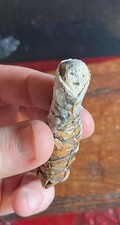
Additionally, amulets can be made from herbs and other ingredients, sometimes placed in charm bags for specific purposes.
Throughout history, amulets have reflected humanity’s desire for protection, well-being, and connection to the unseen forces of the world.