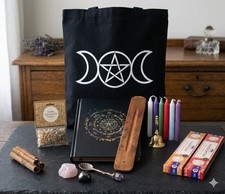
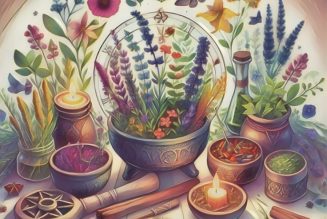
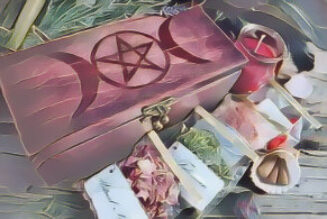
Creating a pagan altar involves choosing items that represent the elements, the seasons, and any deities you honor. The specific objects you select are personal and should reflect your own spiritual practice. Common altar items include an altar cloth, candles for the elements or deities, a bowl of water, incense, and a symbol of earth. You may also add tools for spellwork, crystals, herbs, statues, or seasonal decorations that align with your intentions.
Essential and Common Altar Items:
Altar cloth: Defines the sacred space and keeps it clean.
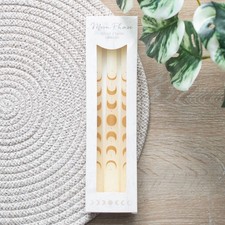
Candles: Represent elements like fire or specific deities. A white candle is often used as a general source candle.
Incense: Symbolizes the element of air, used with an incense burner.
Water: A bowl of water represents the element of water.
Earth: A bowl with salt, dirt, or a stone represents the element of earth.
Ritual tools: Depending on your tradition, you may use an athame, wand, or chalice.
Additional Items to Consider:
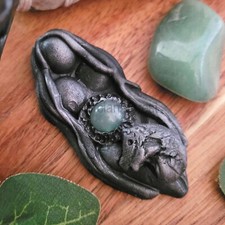
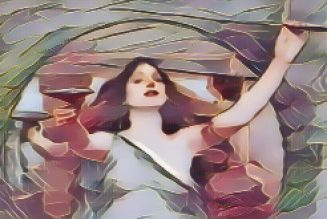
Representations of deities: Statues, images, or symbols of the gods and goddesses you work with.
Crystals and gemstones: Used to amplify energy and support specific intentions.
Herbs and plants: Useful for spellwork, offerings, or to bring in seasonal energy.
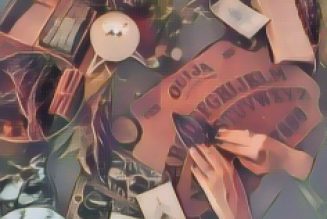
Divination tools: Tarot or oracle cards, runes, or scrying mirrors.
Seasonal decorations: Items that reflect the current season, such as spring flowers or winter evergreens.
Personal items: Heirlooms, photographs, or objects with personal meaning.
Tips for Setting Up Your Altar:
Start simple. There is no need to purchase expensive items; begin with the basics and add more as your practice develops.
Choose a dedicated space. Select a quiet area where you can focus without interruption.
Incorporate nature. Use natural objects like stones, feathers, or leaves to connect with the earth.
Personalize your altar. The most important aspect is that your altar feels meaningful and helps you connect with the divine.
Maintain your altar. Regularly clean and refresh the items to keep the space vibrant and organized.
The most important part of a pagan altar is including meaningful objects that inspire you and reflect your beliefs. There are no strict rules, but many traditions include representations of the four elements, deities, and ritual tools.
Key Concepts to Remember:
Personal connection: Choose items that resonate with you and help you connect to the divine or your inner self. If something does not feel right, it does not belong on your altar.
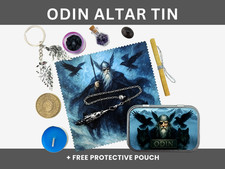
Flexibility: Your altar can be as simple as a single stone or candle, or as elaborate as a full table. It can be permanent or portable, such as in a small box or on a tray.
Intention: What makes a collection of objects into an altar is the intention and energy you dedicate to it as a spiritual focal point.
Seasonal changes: Many practitioners update their altar decorations to reflect the Wheel of the Year or specific festivals.
Common Altar Items:
Many pagans and Wiccans use the following to represent different energies or elements, though none are mandatory:
The Four Elements, often aligned with the cardinal directions:
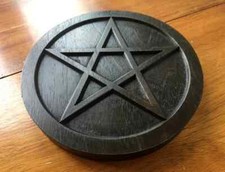
Earth (North): Crystals, stones, salt, soil, plants, flowers, or a pentacle.
Air (East): Feathers, incense, bells, or images of birds.
Fire (South): A candle, oil lamp, or solar symbol.
Water (West): A bowl or chalice of water, seashells, or images of oceans and rivers.
Deity representations: Statues, pictures, or symbols of the gods, goddesses, or ancestors you honor.
Ritual tools: An athame (ritual knife), wand, chalice, cauldron, or a Book of Shadows for recording spells and rituals.
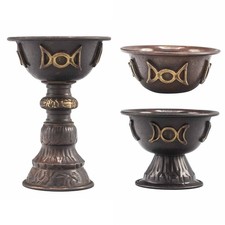
Offerings: Small bowls or plates for offerings such as herbs, fruit, or mead.
Altar cloth: A cloth to define and protect the space, often chosen in a color that matches the season or ritual.
Ultimately, your altar should reflect your personal spiritual journey. It should bring you joy and uplift your energy whenever you use it.