For many Solitary Pagan Witches, the first step in practicing witchcraft is creating a personal altar. An altar is not just a table or shelf. It is a special place in your home where you connect with your spirituality, set your intentions, and perform rituals. Think of it as your spiritual workspace—a spot separate from daily life where you can meditate, cast spells, practice divination, and make offerings to the divine or to nature.
Your altar can be simple or detailed. Some people use a whole table, while others choose a small corner of a bookshelf or a portable box that can be put away when not in use. The most important thing is that your altar feels meaningful to you. It should be a place where you feel safe, comfortable, and inspired to practice.
To set up your altar, first choose a location that feels right. This could be a quiet spot in your bedroom, a sunny windowsill, or even a small outdoor area. Start by cleaning the area—physically by dusting and tidying, and energetically by burning incense, ringing a bell, or imagining white light filling the space.
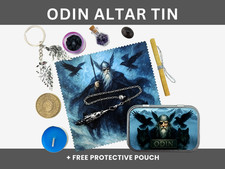
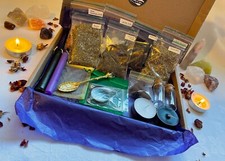
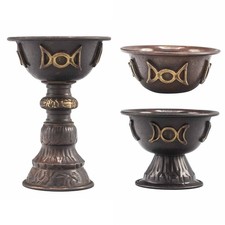
Next, gather items that are important to you and have spiritual meaning. Common altar items include crystals, candles, incense, statues or images of deities, and natural objects like stones, feathers, or flowers. For example, you might use amethyst for peace and intuition, a white candle for clarity and protection, or a bowl of water to represent the element of water and emotional healing.
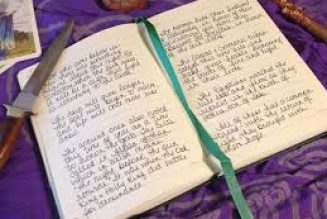
Many witches also place ritual tools on their altars. These can include a wand for directing energy, an athame (a ritual knife) for cutting energetic ties, a chalice for holding water or wine, and a pentacle for grounding and protection. If you are new, do not worry if you do not have all these tools. Use what you have, and let your altar grow as you continue your practice.
Add personal touches to make your altar unique. You might include a journal for your thoughts and magical experiences, a favorite piece of jewelry, or a photo of a loved one or ancestor. You can also decorate your altar with seasonal items, like fresh flowers in spring or pinecones in winter, to connect with nature’s cycles.
If you are a beginner, it can help to dedicate your altar to a specific purpose. For example, you could create a healing altar with blue and green candles, calming crystals like aquamarine or rose quartz, and herbs such as lavender or chamomile. Or, you might set up a prosperity altar with gold coins, citrine crystals, and a green candle to attract abundance.
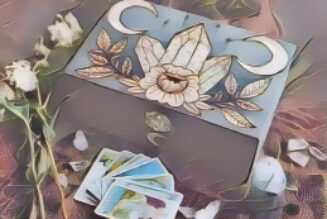
Once your altar is ready, you can use it for many practices. Meditation is a good way to start. Sit at your altar, light a candle, and focus on your breath or a positive affirmation. You can also use your altar for spellwork, such as writing your intentions on paper and burning it in a fire-safe dish, or for divination, by laying out tarot cards or runes.
Magick is central to solitary pagan witchcraft, and your altar is the main tool for performing magick. When you cast spells or do rituals, your altar focuses your energy and intention. The items you place on your altar—candles, crystals, herbs, and more—each add their own energy to your work.
Here are some common altar items and how to use them:
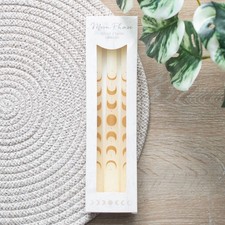
Candles: Choose colors that match your goal. For example, white for purity, red for passion, green for growth. Light a candle to represent your desire and to bring in the energy you need.
Crystals: Each crystal has special properties. Clear quartz increases energy, rose quartz brings love, and black tourmaline gives protection. Place them on your altar to help your spellwork.
Herbs: Use fresh or dried herbs to add their magical qualities to your rituals. Lavender is for peace, rosemary for protection, and basil for prosperity.
Incense: Burning incense creates a sacred feeling and helps send your intentions to the spiritual world. Pick scents that fit your purpose, like sandalwood for grounding or frankincense for spiritual connection.
Tarot cards: Draw a card before your ritual for insight or guidance, or use them to focus your meditation and intentions.
When you are ready to cast a spell or do a ritual, start by centering yourself and setting a clear intention. You might call on the elements—earth, air, fire, and water—or invite deities, ancestors, or spirit guides. Use your tools and ingredients to build energy, focusing your mind and heart on your goal. Remember, your belief and intention are the most important parts of any spell.
Over time, your altar will change as you grow in your practice. You may add new items, rearrange the space, or change your rituals. Do not be afraid to experiment. Let your altar become a living part of your spiritual journey.
In summary, creating an altar is a personal and empowering step on your witchcraft path. It is a space to honor your beliefs, focus your intentions, and connect with the energies of the universe. Whether your altar is large or small, simple or detailed, it reflects your unique spirit and your commitment to your magical practice. As you continue, let your altar inspire, comfort, and transform you.